
Quick Answer
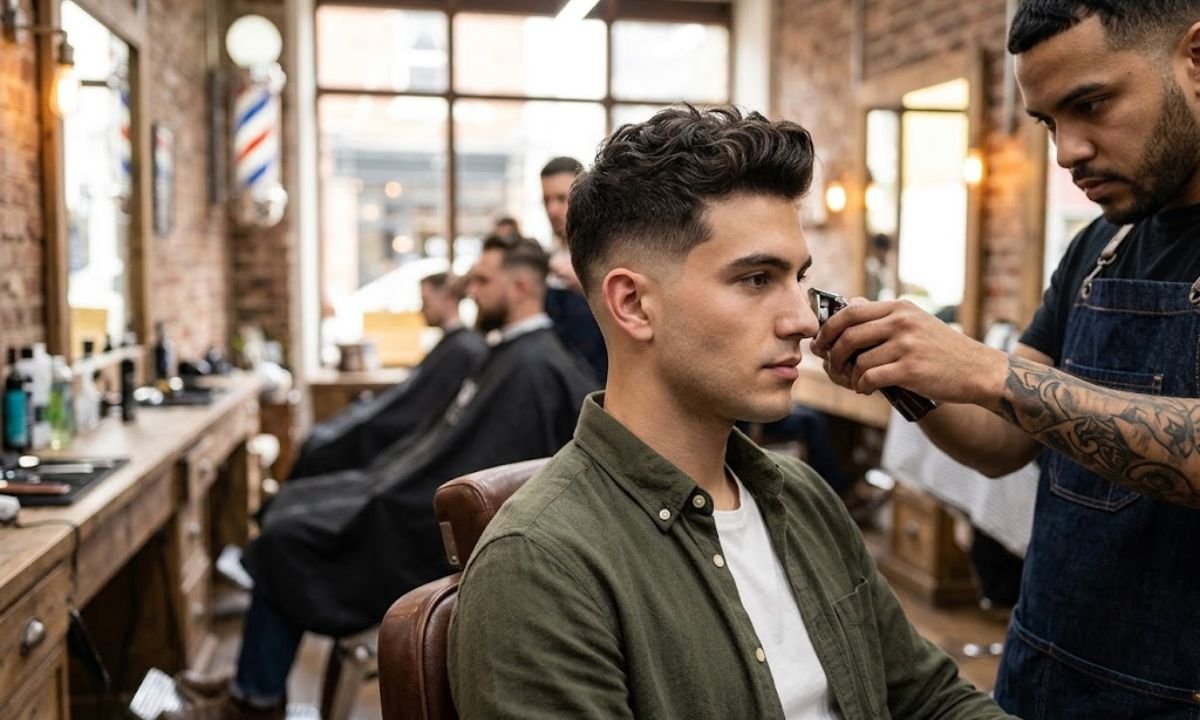
A burst fade haircut is a fade that curves around the ear in a half moon shape instead of running in a straight line down the neck.
It works for almost every hair type, from pin straight strands to a full burst fade afro, and it pairs well with beards, designs, and longer top lengths like mullets or quiffs.
If you want sharp edges, low upkeep every two to three weeks, and a cut that frames your face rather than your whole head, this is the style to bring up at your next barber visit.
What is a Burst Fade Haircut?
A burst fade taper haircut blends short hair into skin or near skin around and behind the ear, then curves that blend outward like a burst of light. Unlike a normal taper fade, which runs in a flat line from the sideburn to the back of the neck, the burst fade skips the neckline entirely.
That curved shape is what gives the cut its name. Barbers sometimes call it a “reverse fade” because the fading direction bends instead of staying straight, and the length at the nape often stays a touch longer than the sides.
The result is a cut that feels lighter around the ears and keeps more hair at the back, which a lot of guys with mullets, curly hair, or fuller necklines actually prefer.
Who Should Get a Burst Fade Haircut?
Honestly, most guys can pull this off. It’s one of the more forgiving cuts out there because the fade wraps the ear instead of the whole hairline, so it hides an uneven neckline better than a standard fade does.
Guys who want to keep length at the back and sides, maybe for a mullet or a wavy texture, tend to love it. Guys with round or square faces get extra lift and angle at the temples, which adds shape without a totally shaved look.
It’s also a solid pick if you’re growing out a buzz cut and don’t want the awkward in-between stage. The curved blend hides new growth longer than a straight fade would.
Why Burst Fade Haircuts Are Trending in 2026
Search interest for burst fade taper haircuts has climbed every year since 2021, and 2026 is no different. Part of that is TikTok and Instagram Reels, where barbers post 30-second transformation clips that rack up millions of views.
But the bigger reason is versatility. This one cut adapts to a burst fade mohawk, a burst fade mullet, a clean skin burst fade, or a burst fade with design, so it never feels like “just another fade.” Barbers can get creative, and clients get a cut that photographs well from every angle.
There’s also a cultural shift toward longer top lengths paired with sharp sides. The burst fade fits that trend perfectly since it keeps the crown fuller while still delivering that crisp, barbershop-fresh edge everyone wants.
Where the Burst Fade Comes From
The burst fade traces back to Black barbershop culture in the United States, where curved and shape up techniques have shaped men’s grooming for decades. Barbers were already experts at cutting skin fades and sharp line ups long before the term “burst fade” became mainstream.
The style picked up its modern name sometime in the 2010s, when barbers started using it to describe fades that “burst” outward from behind the ear instead of running straight. Basketball players and hip hop artists helped push the look into the spotlight.
By the early 2020s it had crossed into mainstream men’s grooming everywhere, and now it’s a staple request at barbershops worldwide, right alongside the classic taper fade and drop fade.
35 Burst Fade Haircut Styles for Men
Here’s the part you probably scrolled down for. Below are 35 ways to wear a burst fade, organized by top length, texture, and finish. Save the ones that catch your eye and bring a screenshot to your barber.
1. Burst Fade Mullet
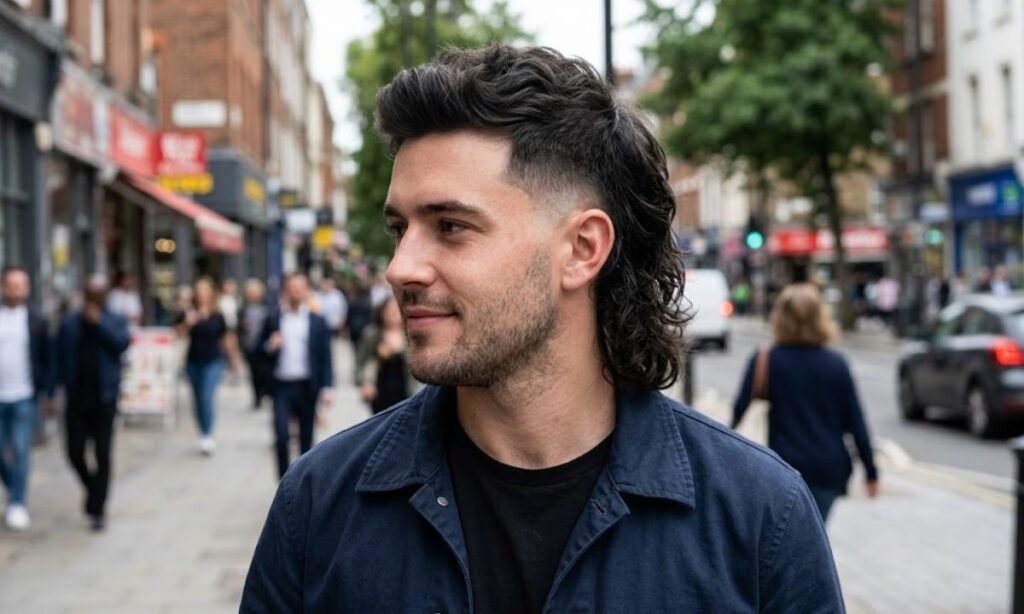
The burst fade mullet mixes old school rebellion with new school precision. Short, curved sides meet longer hair at the back, so you get business up front energy with a wild edge out back.
It works especially well because the curved fade doesn’t fight with the natural bulk of mullet hair the way a straight fade can. Ask for extra length at the nape if you want the mullet effect to really stand out.
Low Burst Fade Mullet
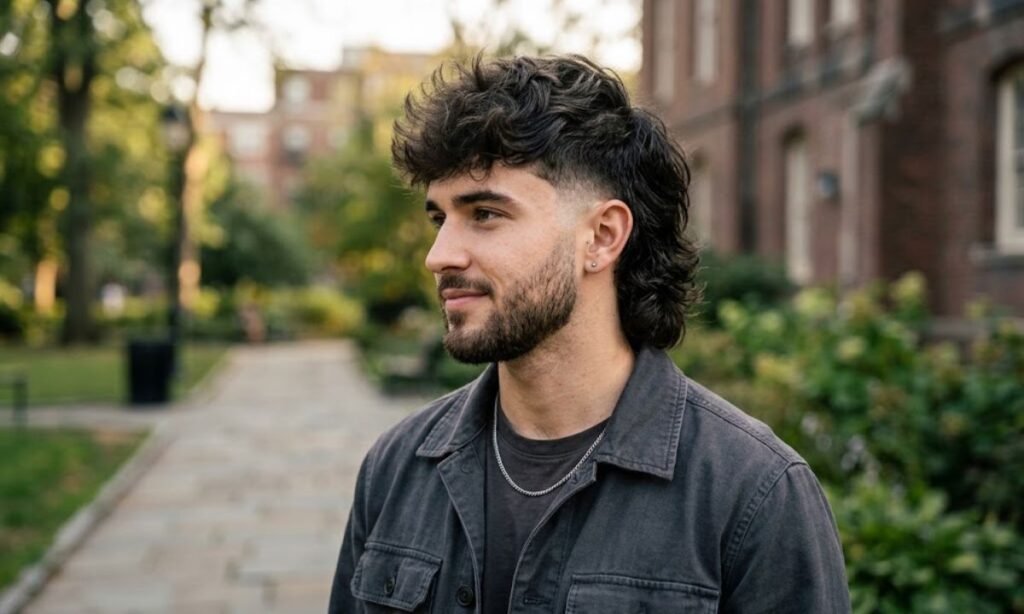
This version keeps the fade starting just above the ear, so most of your length stays untouched. It’s the most subtle mullet option and a good entry point if you’re nervous about going too short.
Guys with fine hair like this one because it doesn’t expose much scalp, keeping the overall look fuller and softer around the face.
Mid Burst Fade Mullet
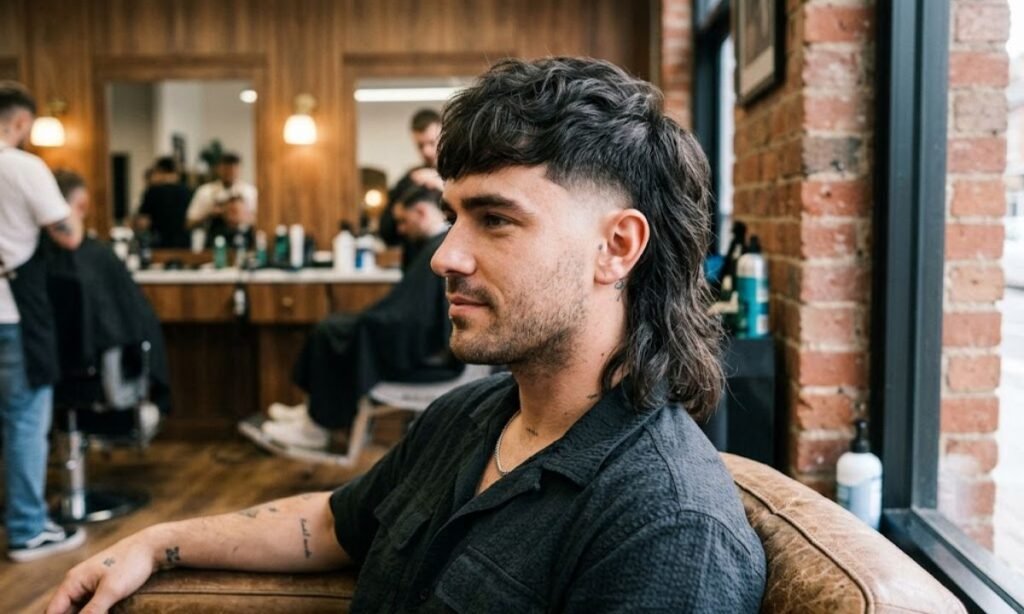
Starting the blend around the temple, the mid version balances edge and volume. It’s the most requested burst fade mullet variation because it photographs sharp without looking extreme.
If you’re new to fades in general, this is a safe middle ground that still gives you that curved burst shape everyone notices.
High Burst Fade Mullet
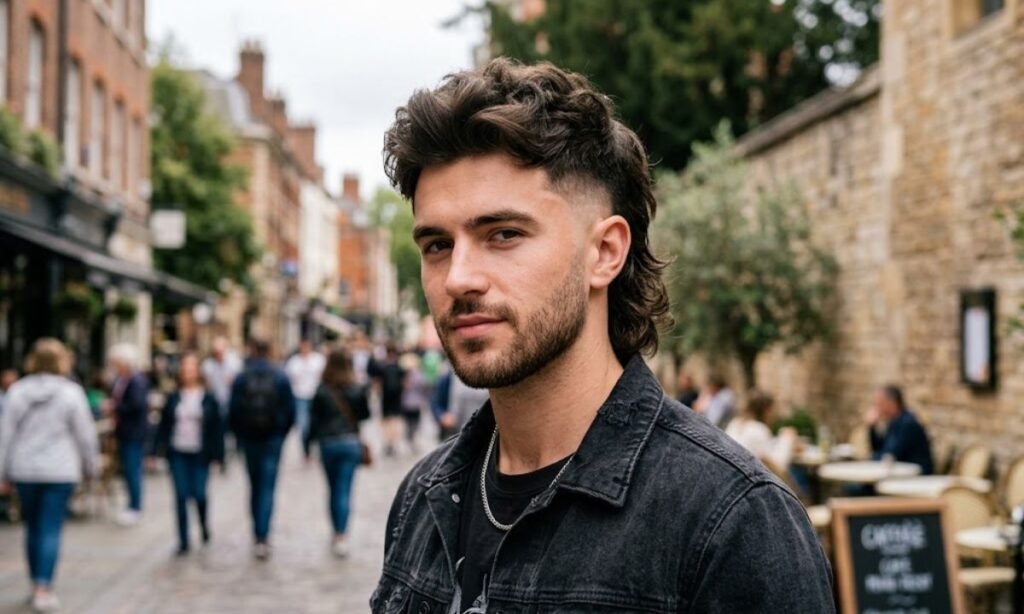
This is the boldest mullet option, with the fade climbing close to the crown. It creates serious contrast between the shaved sides and the long mullet tail.
Thick hair holds this shape best since there’s enough volume up top to balance the high, tight sides.
Straight Hair Burst Fade Mullet
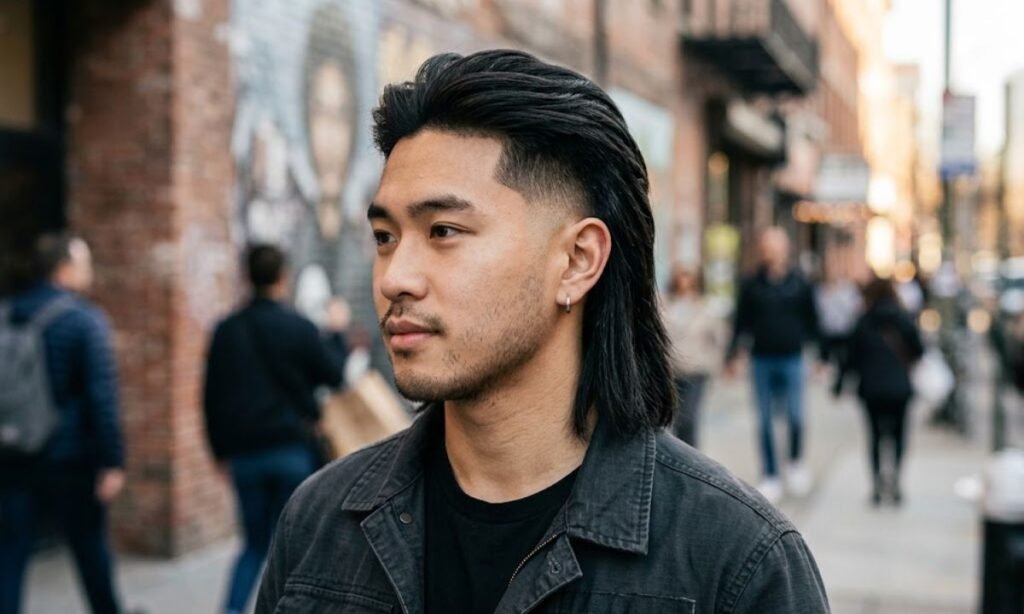
Straight strands fall clean and separate easily, so the mullet tail looks sleek rather than bulky. A light pomade keeps flyaways down without weighing the hair flat.
This combo is popular with guys who want a rockstar look without much daily styling effort.
Curly Hair Burst Fade Mullet
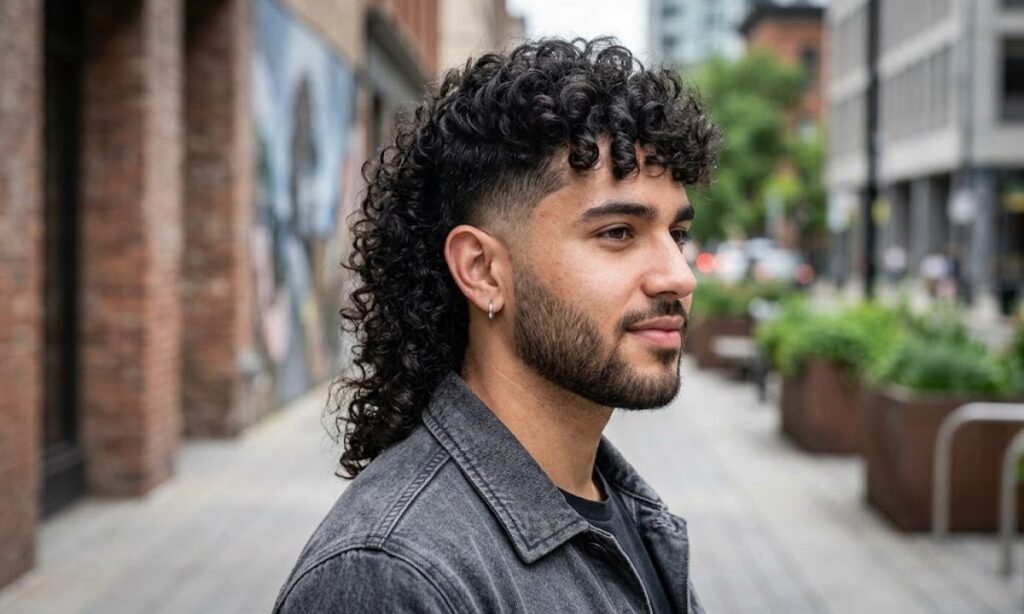
Curls add natural texture to the mullet portion, making it look fuller and more dynamic. The curved fade actually complements curl patterns nicely since it avoids harsh straight lines that can clash with natural curl shape.
A curl cream or light gel helps define ringlets at the back while keeping frizz under control.
2. Low Burst Fade
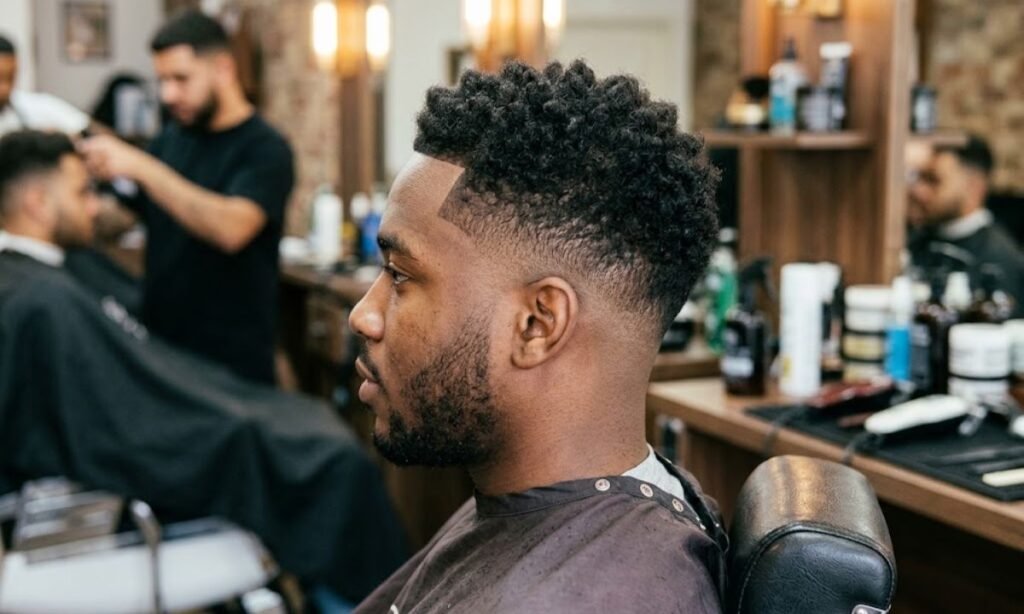
The low burst fade keeps the blend starting just above the ear, which means minimal skin shows and the change from long to short is gradual. It’s the most office friendly burst fade option out there.
This variation suits guys who want a professional look that still has personality. It’s also easier to maintain since less contrast means less frequent barber visits to keep it sharp.
3. Burst Fade Curly Hair
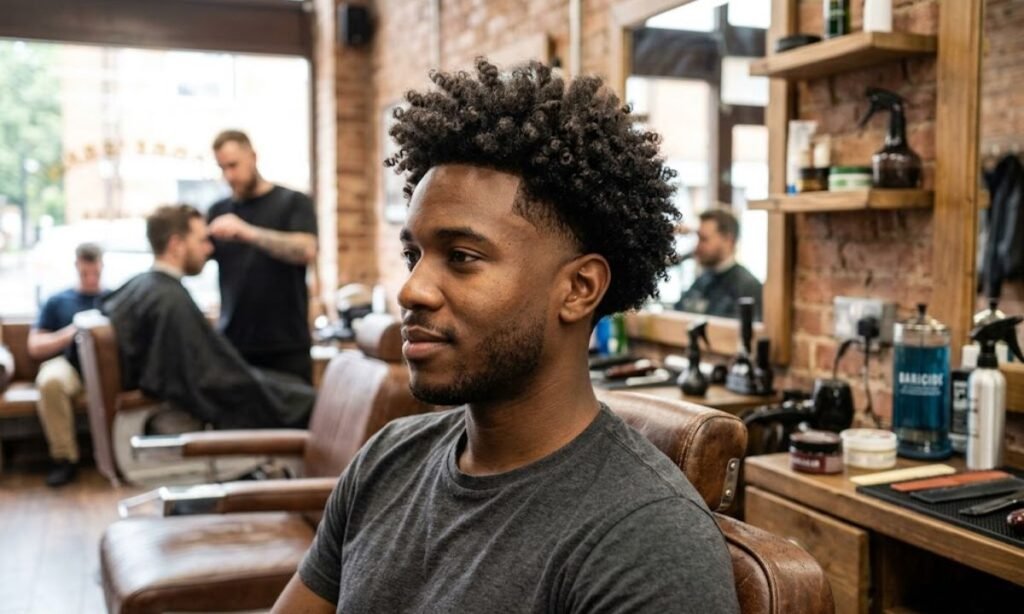
Burst fade curly hair looks incredible because curls create natural volume that contrasts against the tight, curved sides. The curl pattern almost mimics the shape of the burst itself.
Barbers usually cut curly hair dry first to see exactly how each curl falls before fading the sides, which gives a more accurate, less choppy result than cutting wet curls.
4. Mid Burst Fade
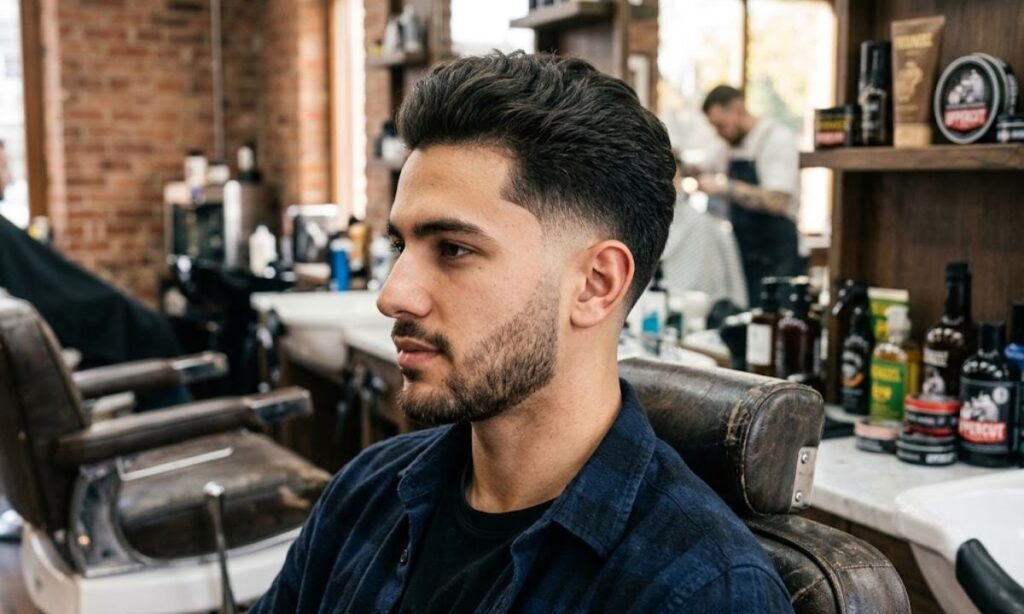
Sitting between low and high, the mid burst fade is the crowd favorite for good reason. It gives noticeable contrast without shaving too close to the crown, which keeps styling options open.
It flatters nearly every face shape and hair type, making it the safest recommendation when you’re not sure which fade height to pick.
5. Burst Fade with Design
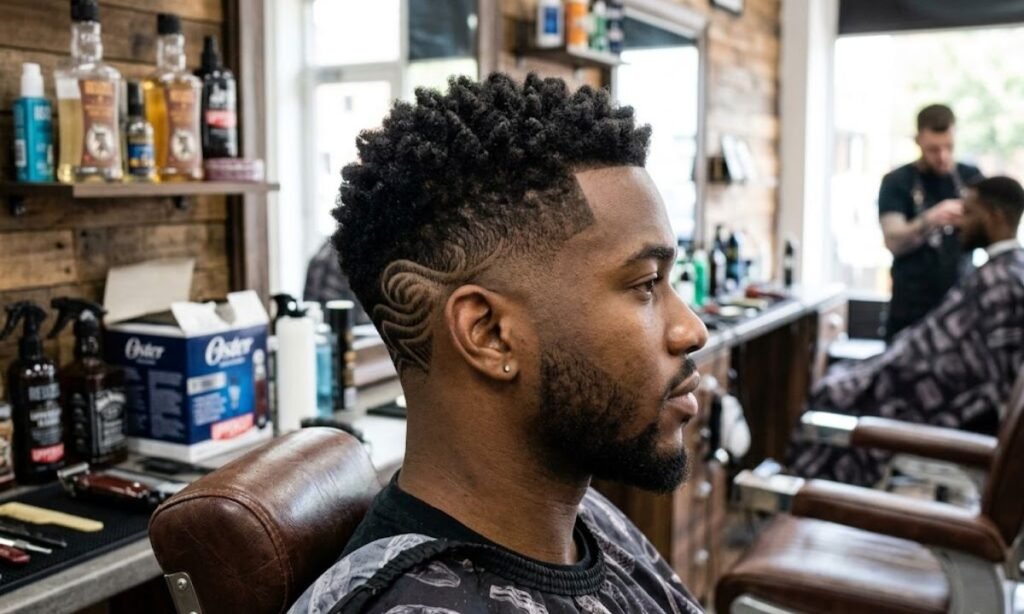
A burst fade with design adds shaved lines, stars, initials, or geometric patterns into the faded section. It turns a simple haircut into a personal statement.
Designs work best on skin level fades where there’s enough contrast for the pattern to stand out. Talk to your barber about placement since designs near the ear tend to show up more in photos.
6. Burst Fade Mohawk
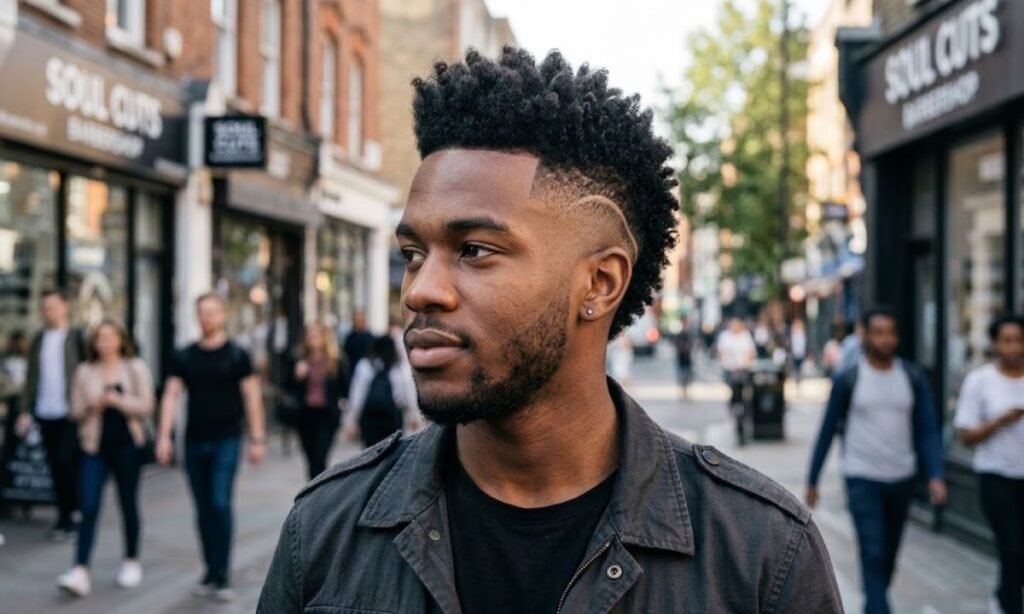
The burst fade mohawk combines a shaved strip on the sides with a raised center section, all wrapped in that signature curved blend. It’s a bold, statement making cut.
This works great for guys with thick or coarse hair since the center strip needs enough density to stand upright without heavy product.
7. Burst Fade Straight Hair
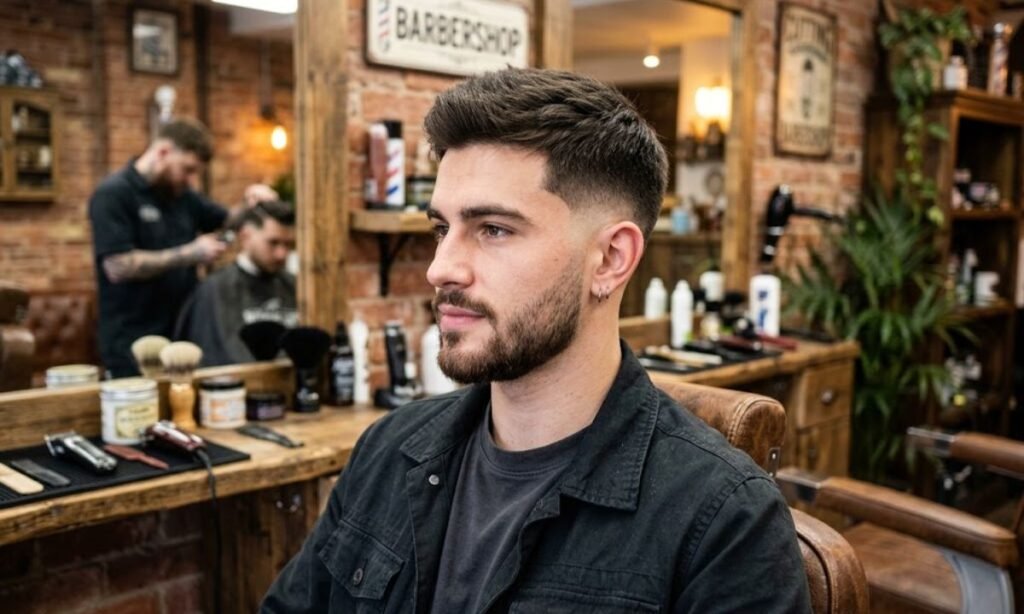
Burst fade straight hair creates crisp, defined lines because straight strands separate cleanly instead of clumping. The fade itself looks razor sharp against smooth top hair.
A light matte paste keeps straight hair textured without the greasy shine some pomades leave behind.
8. Taper Burst Fade
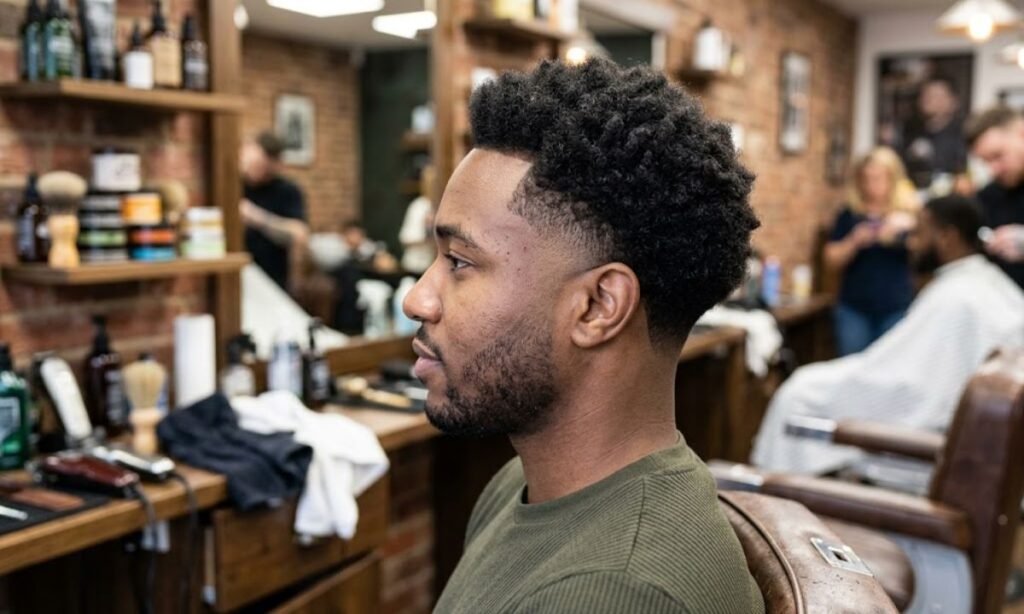
Combining a traditional taper with the curved burst shape, this style gives you gradual blending everywhere, not just around the ear. It’s subtle, clean, and works in every professional setting.
Guys who want fade energy without looking like they just left the barbershop often ask for this softer combination.
9. High Burst Fade
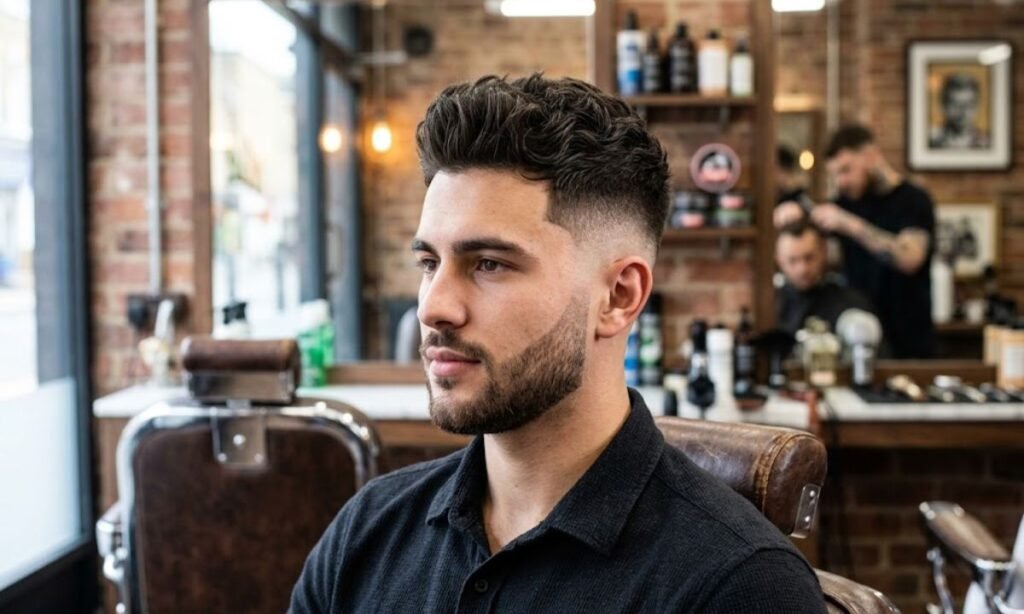
The high burst fade pushes the blend up near the crown, creating maximum contrast between long top hair and closely cropped sides. It’s dramatic and modern.
This variation demands more upkeep, usually every two weeks, since new growth shows quickly at that height.
10. Burst Fade Buzz Cut
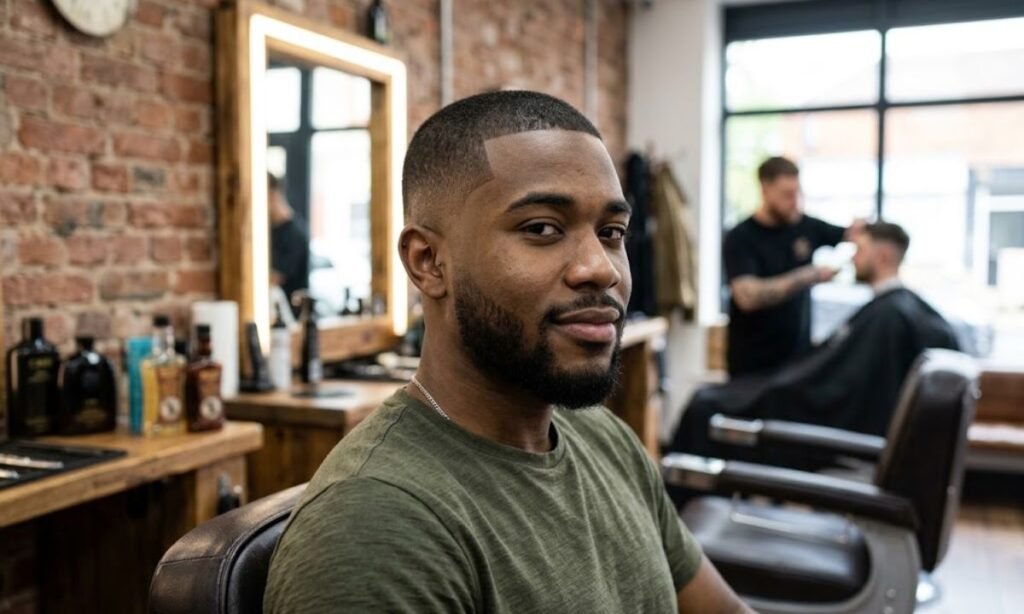
Pairing a short, even buzz on top with curved fading sides gives you one of the lowest maintenance burst fade options around. It’s practical, clean, and still has personality thanks to the curved blend.
This combo is popular with athletes and guys who want a wash and go routine with zero styling required.
11. Short Burst Fade
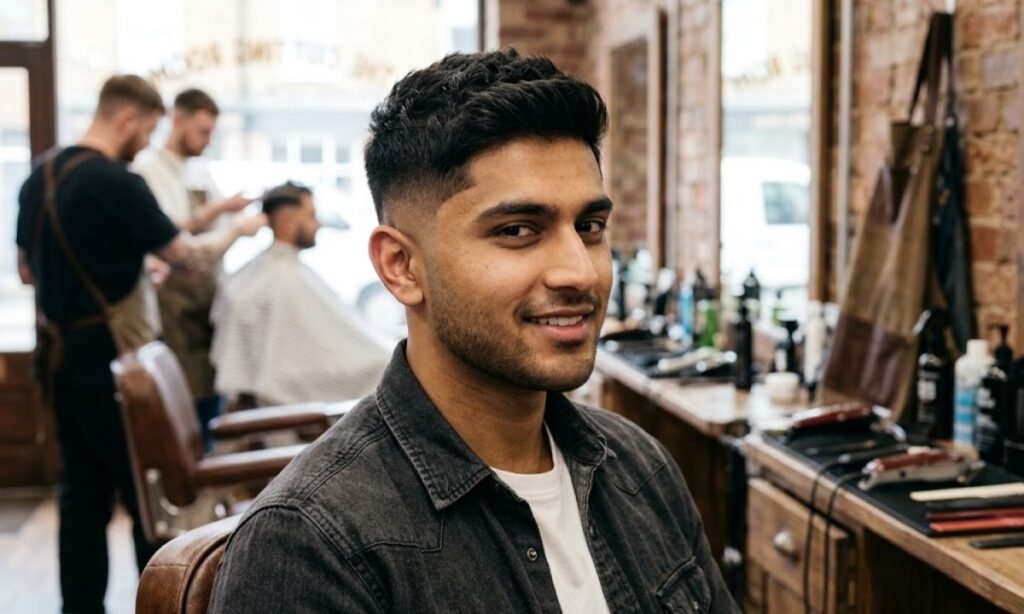
Keeping everything tight, the short burst fade trims the top down close while still curving the sides for that signature burst shape. It’s neat, sharp, and easy to maintain.
It’s a great option for guys transitioning from a full buzz cut who want a little more shape without committing to longer length yet.
12. Burst Fade Textured Fringe
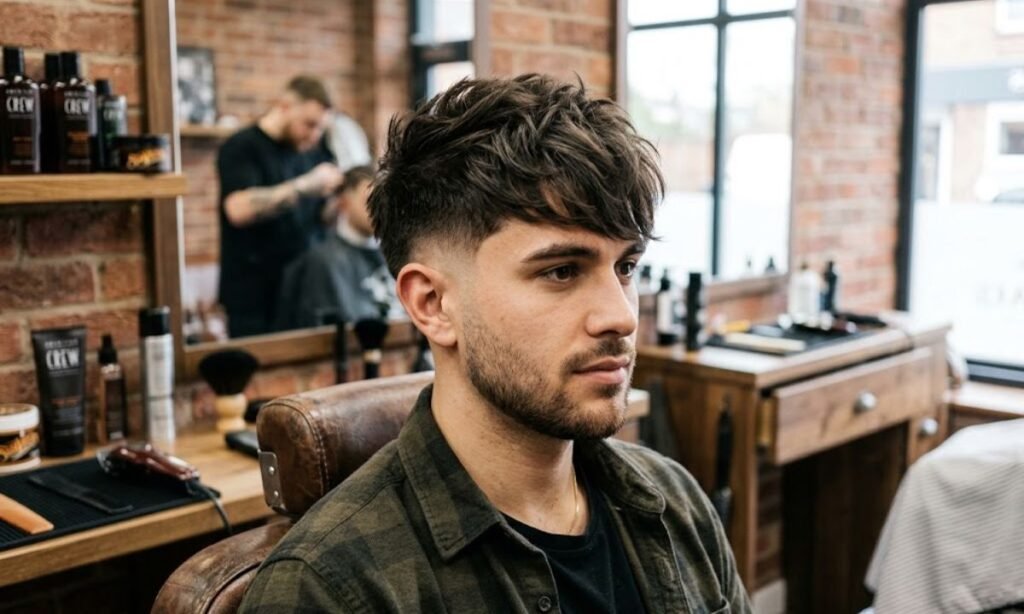
A textured fringe up top, cut with choppy, piece-y ends, pairs beautifully with the curved sides below. The contrast between messy top texture and clean fading creates a balanced, modern silhouette.
Texturizing scissors or a razor comb help create that piece-y fringe effect that so many guys are asking for right now.
13. V Shape Burst Fade
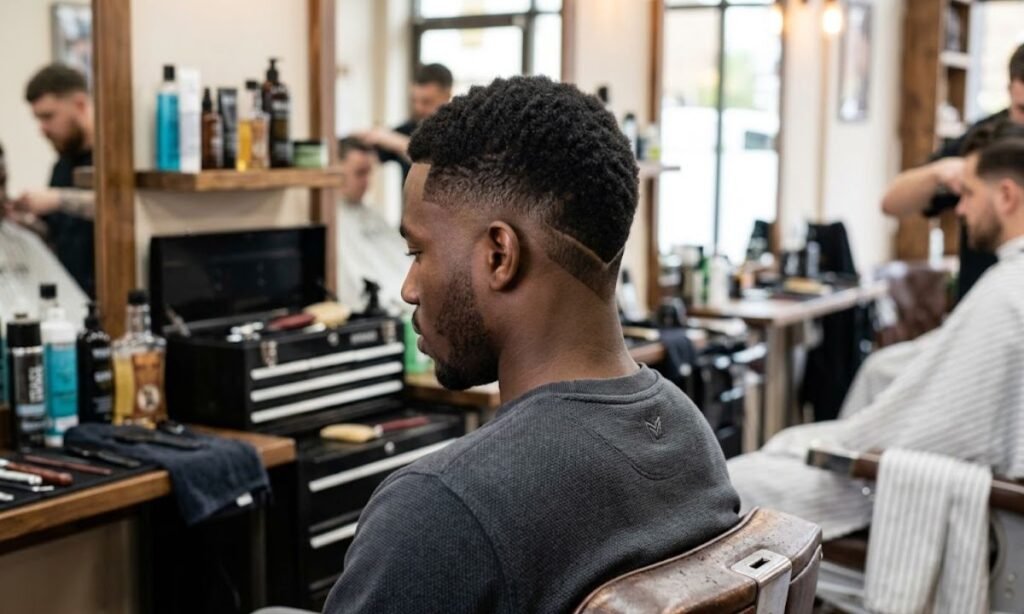
This variation shapes the neckline into a V instead of a rounded or straight edge, adding a sharp geometric detail at the nape. It’s subtle from the front but distinctive from behind.
Guys who like small, unique details that only show up in certain angles tend to gravitate toward this one.
14. Burst Fade Long Hair
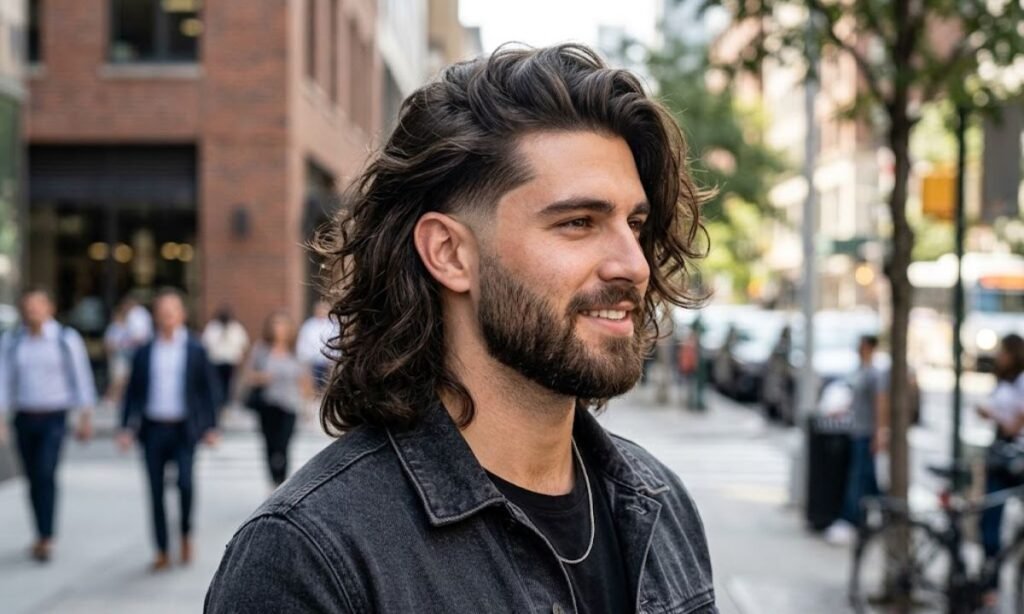
Keeping significant length on top while fading the sides creates serious contrast and versatility. You can slick it back, let it flow naturally, or tie it up depending on the day.
This works especially well for guys growing their hair out who still want short, manageable sides in the meantime.
15. Burst Fade Slick Back
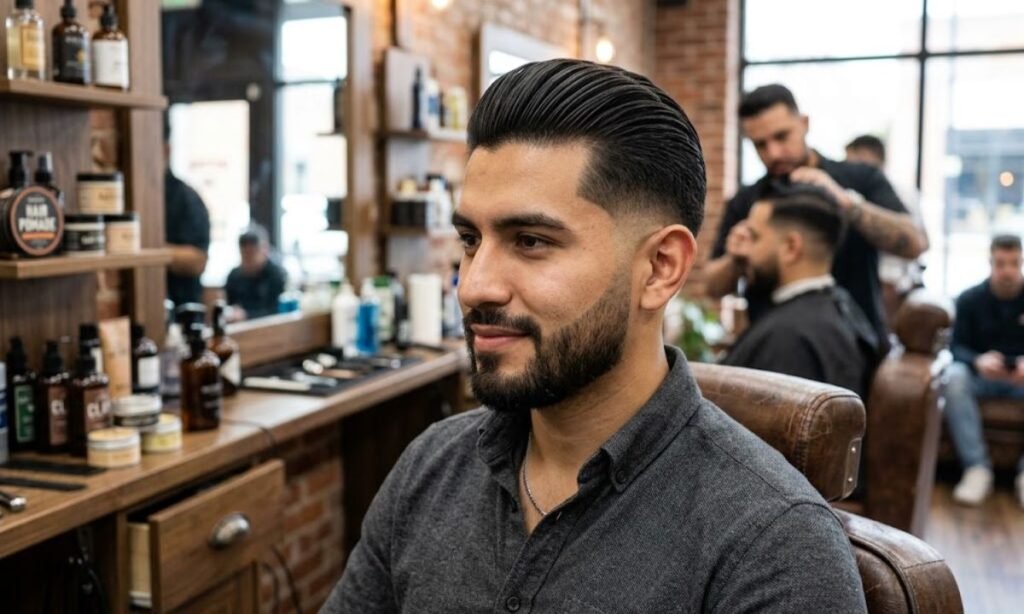
Combing the top hair straight back with a strong hold pomade creates a polished, retro inspired look that pairs perfectly with the curved fade below. It reads formal but still edgy.
This is a go-to for weddings, interviews, or any event where you want to look put together without losing personality.
16. Comb Over Burst Fade
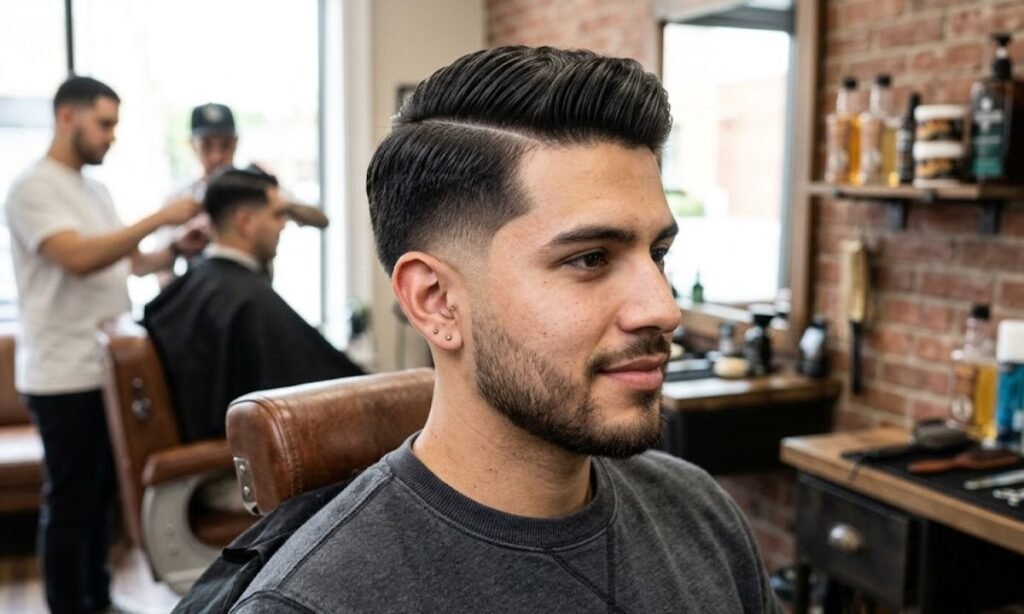
A classic comb over burst fade takes longer top hair and sweeps it to one side, creating a defined part that contrasts against the faded sides. It’s timeless, professional, and endlessly adjustable.
This pairing works for nearly every hair type, though thicker hair holds the comb over shape longest throughout the day.
17. Burst Fade Wavy Hair
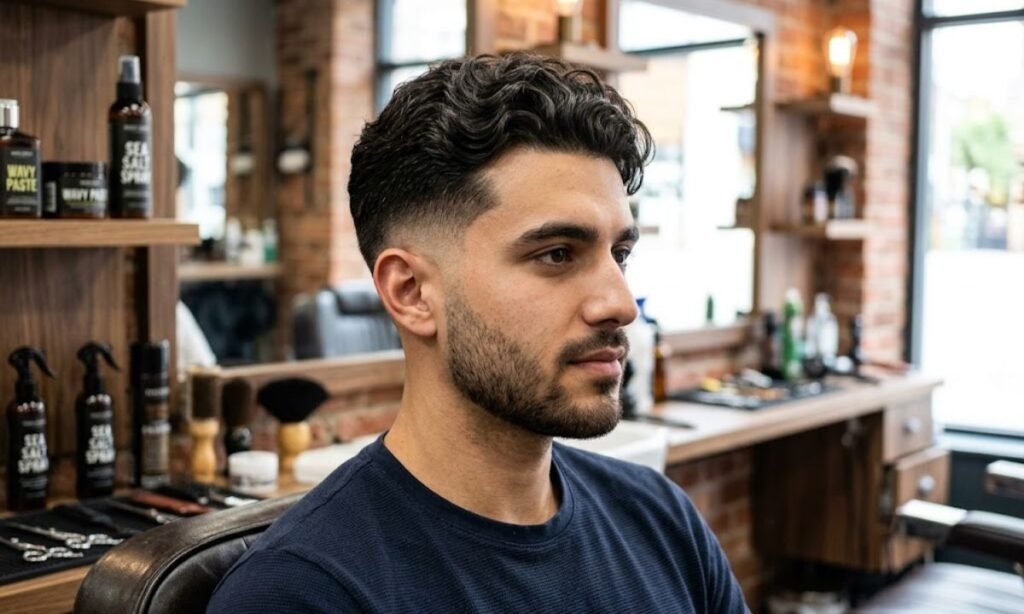
Natural waves add movement and texture that plays beautifully off the curved fade shape below. It’s one of the more effortless looking combinations since waves don’t need much styling to look intentional.
A sea salt spray can enhance natural wave pattern without making hair feel crunchy or stiff.
18. Textured Burst Fade
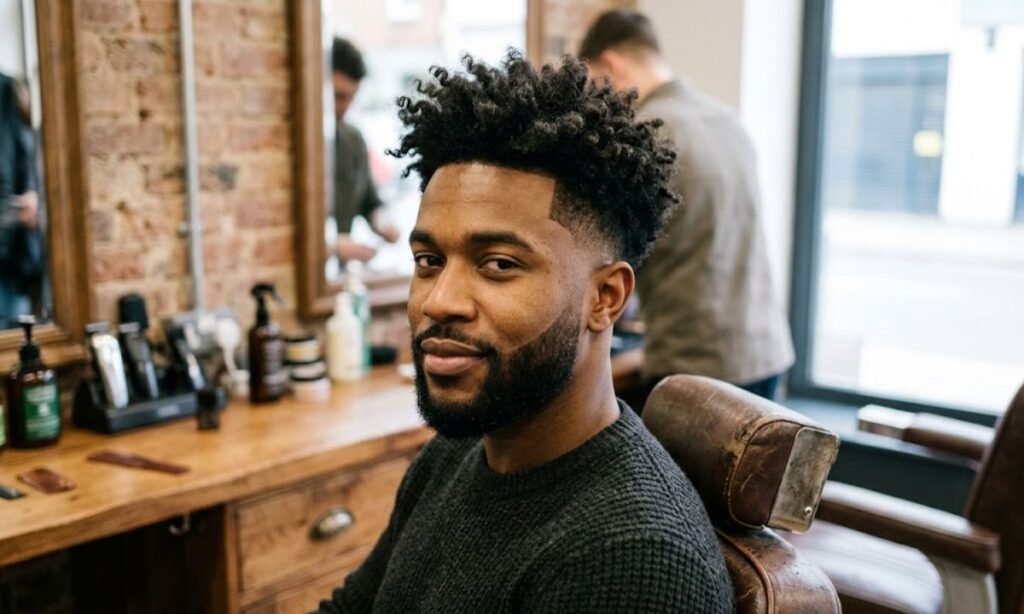
Adding texture throughout the top, rather than keeping it smooth, gives the whole haircut a lived-in, effortless vibe. Choppy layers catch light differently and add dimension.
This style photographs especially well in natural lighting since the texture creates visible depth instead of a flat surface.
19. French Crop Burst Fade
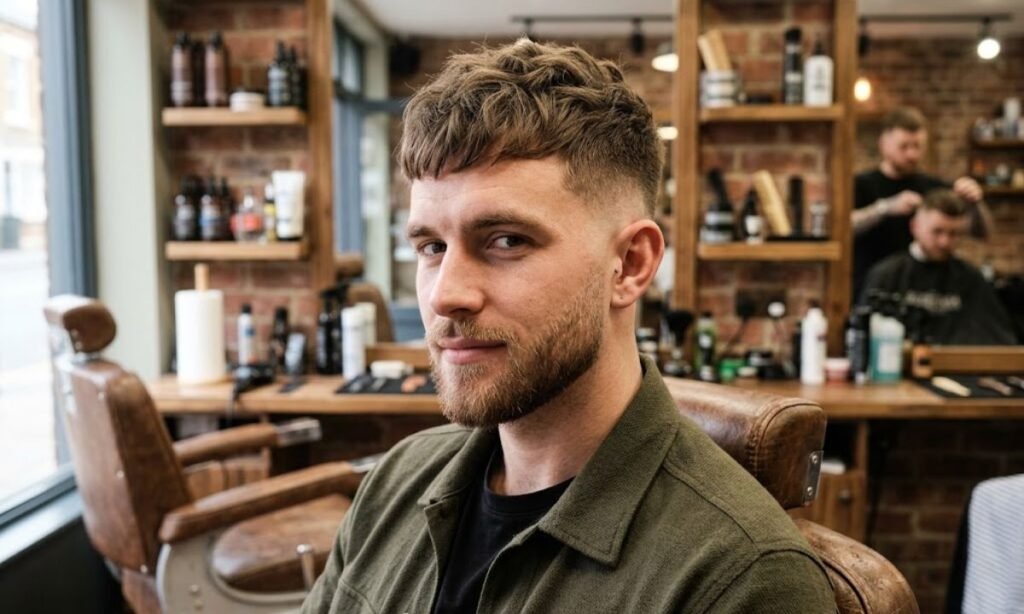
The French crop burst fade pairs a short, textured fringe that sits just above the eyebrows with curved fading sides. It’s one of the most requested combinations in barbershops right now.
This cut suits almost every face shape since the fringe can be adjusted in length and angle to flatter individual features.
20. Burst Fade Back View
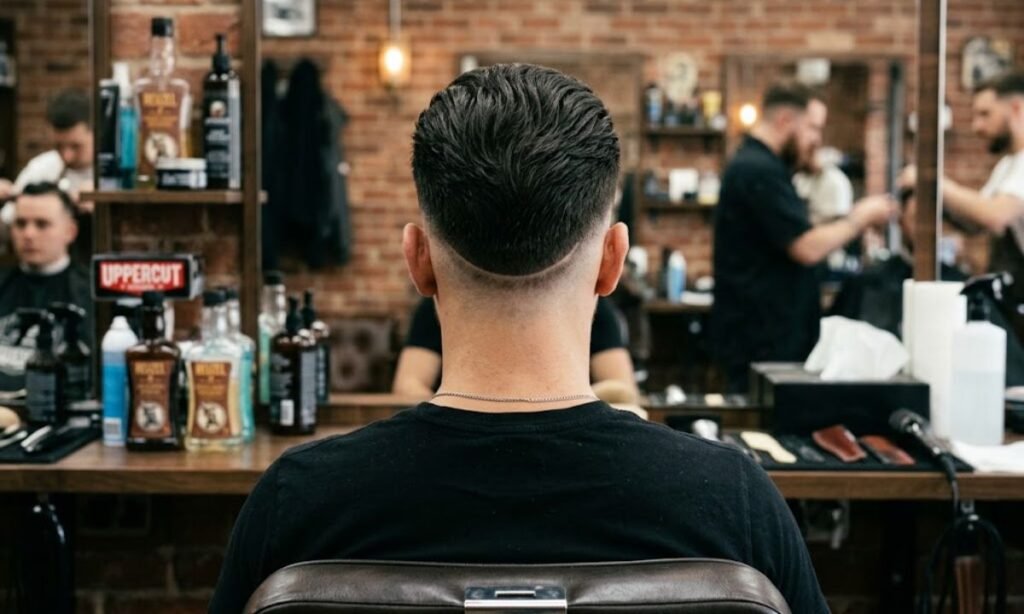
While not a separate style exactly, the back view of a burst fade is where the curved shape really shows off. Barbers pay extra attention here, making sure the blend curves symmetrically behind both ears.
Always ask to see the back in a mirror before you leave the chair. It’s the detail most guys forget to check.
21. Burst Fade Edgar
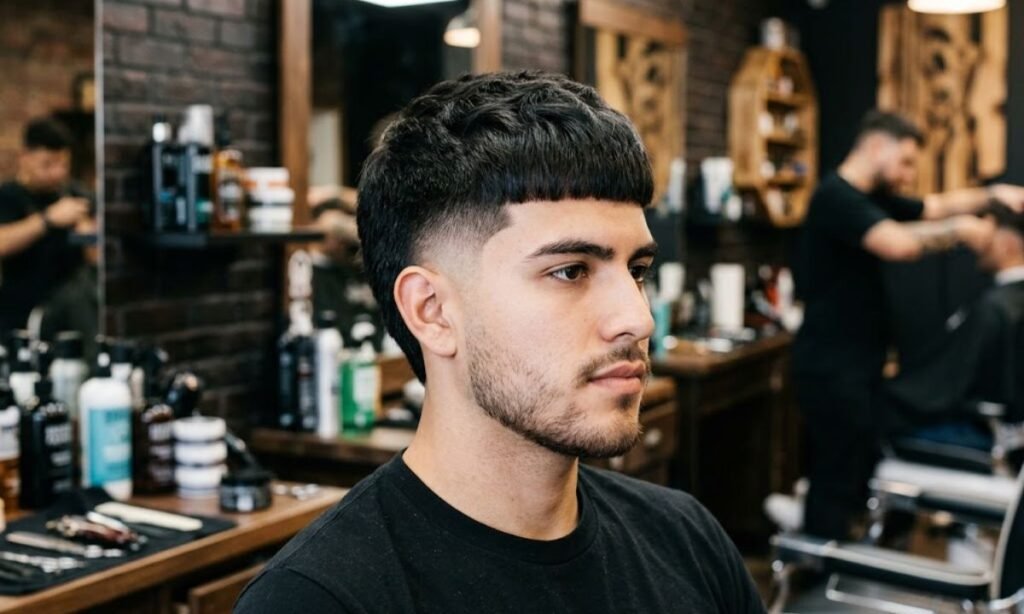
The burst fade Edgar combines a blunt, straight across fringe with the curved sides, creating a bold, squared off silhouette up top. It’s become massively popular thanks to social media.
This style needs regular trims to keep the fringe line crisp since even small growth changes the shape noticeably.
22. Burst Fade with Beard
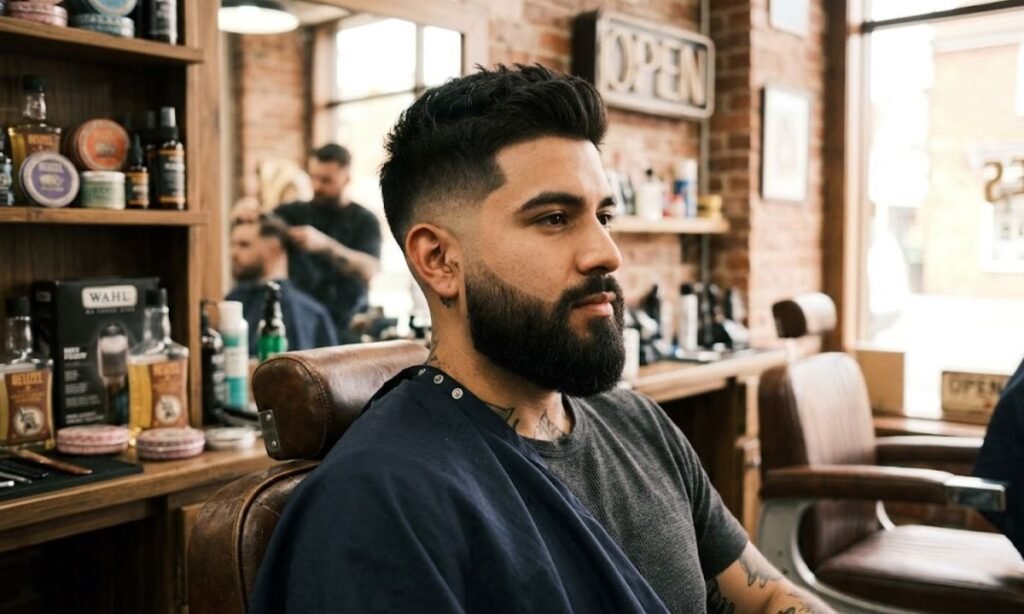
Pairing the haircut with a well groomed beard creates a cohesive, masculine look from hairline to jawline. The fade and beard blend into each other seamlessly when done right.
Ask your barber to blend the sideburns directly into the beard for a seamless transition instead of a harsh line between the two.
23. Blowout Burst Fade
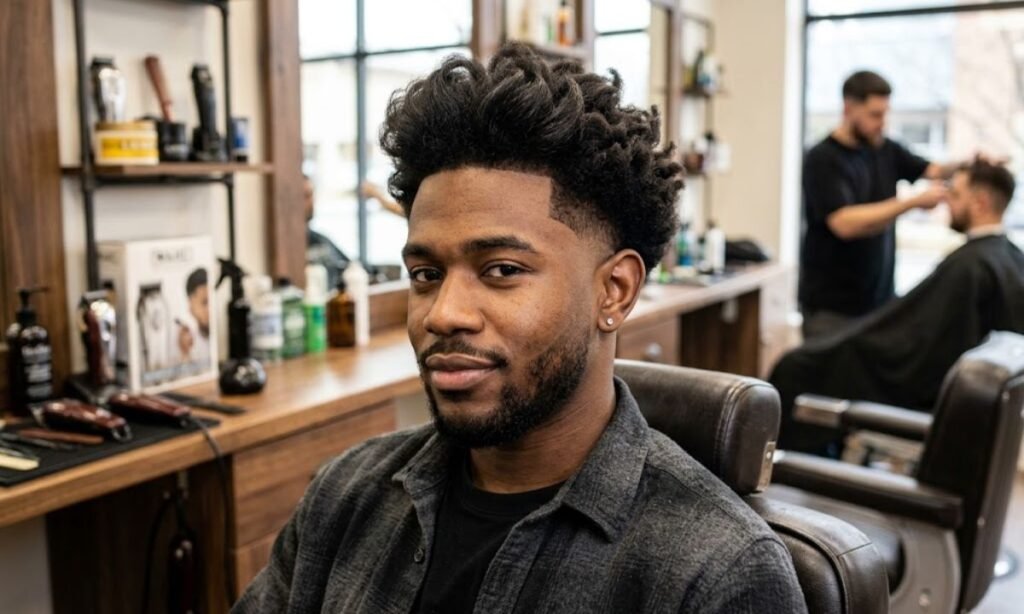
A blowout burst fade uses a blow dryer and round brush to add serious height and volume to the top section, creating dramatic contrast with the closely faded sides. It’s bold and eye catching.
This style needs thick or medium density hair to hold that lifted shape throughout the day without collapsing.
24. Burst Fade for Black Men
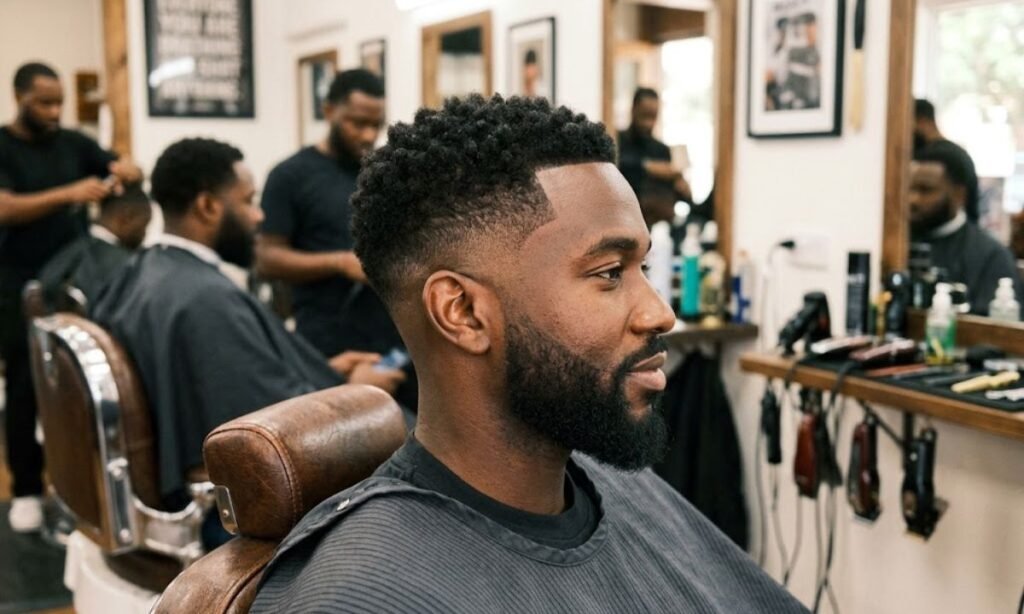
Burst fade for Black men often pairs beautifully with natural curl patterns, waves, or twists on top. The curved shape complements the natural roundness of coily and curly textures better than a straight fade.
Barbers experienced with textured hair know how to fade close to the skin while preserving curl definition up top, so seek out someone with that specific expertise.
25. Asian Burst Fade
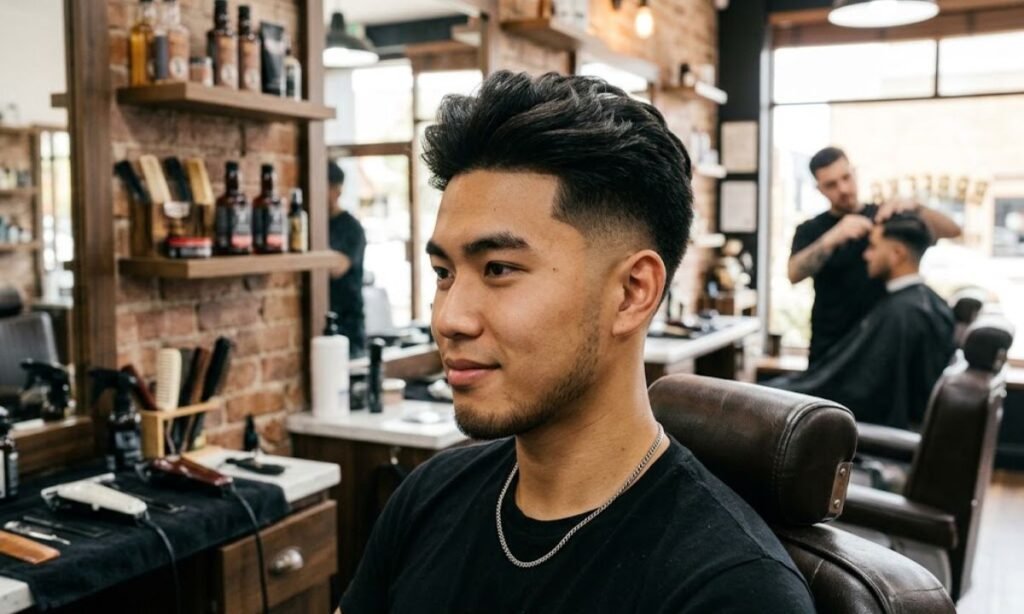
Asian burst fade styles often work with naturally straight, thick hair, which holds sharp lines and clean texture exceptionally well. The fade contrast tends to look crisp against dense, straight strands.
Many guys pair this with a textured fringe or side part for a modern, polished finish that’s easy to maintain.
26. Burst Fade Blonde Hair
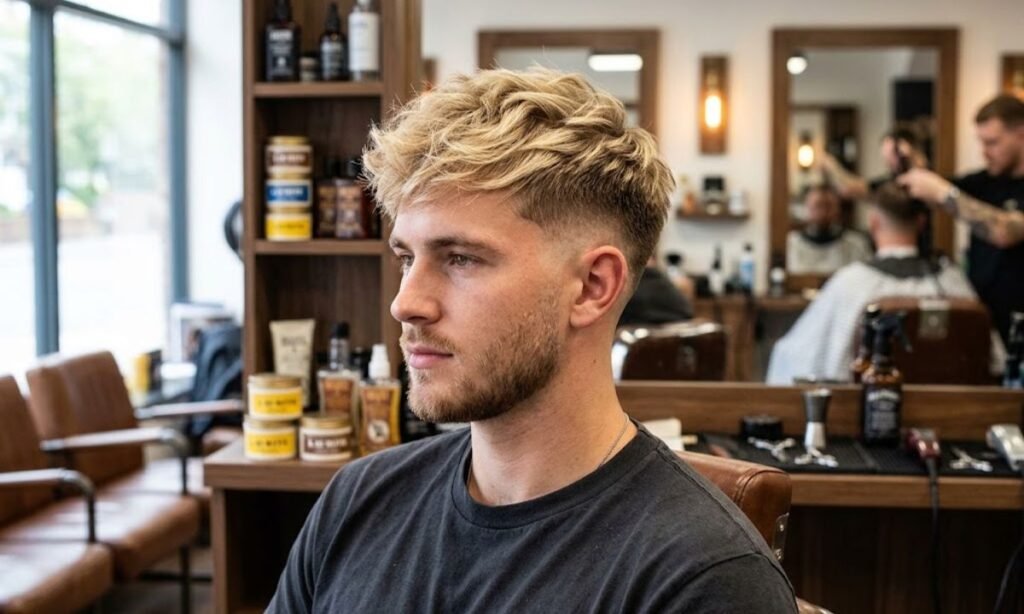
Lightened or naturally blonde hair on top creates striking contrast against darker faded sides, especially on guys with darker natural hair color who bleach just the top section. It’s a bold styling choice.
Regular toning appointments keep the blonde looking fresh and prevent brassiness from creeping in between color visits.
27. Burst Fade Afro
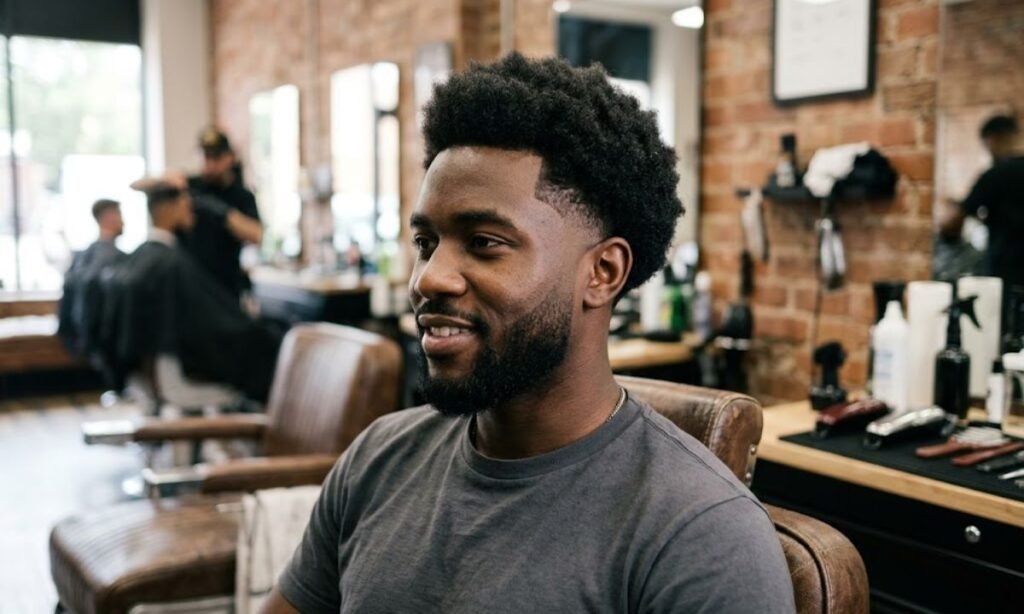
The burst fade afro keeps natural curl volume and shape on top while curving the sides into a tight, skin level blend. It’s one of the most striking burst fade combinations available.
A curl defining cream and diffuser attachment help maintain shape and definition without disrupting natural curl pattern.
28. Undercut Burst Fade
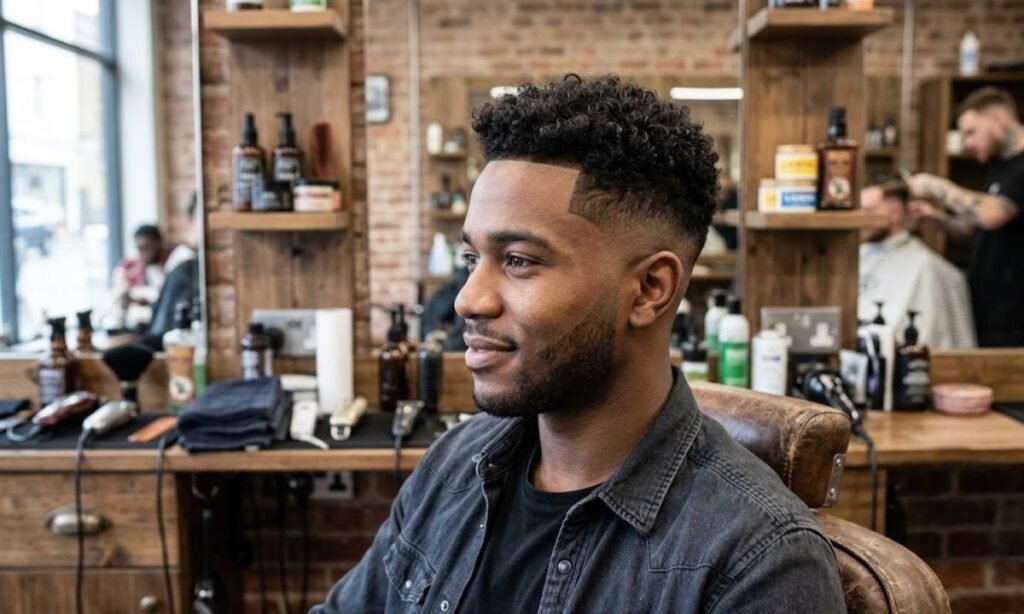
Combining the disconnected look of an undercut with the curved blending technique of a burst fade gives you sharp contrast with a slightly different transition style. It’s edgier than a standard fade.
This works well for guys who want longer top length with more dramatic, immediate contrast rather than gradual blending.
29. Grown Out Burst Fade
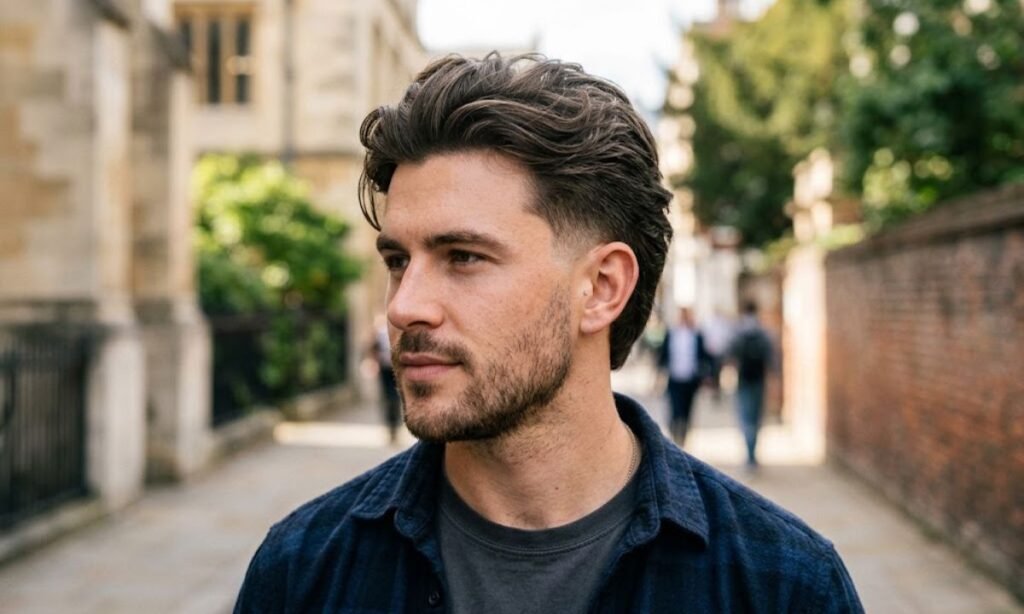
As a burst fade grows past the two to three week mark, it naturally softens into this in-between look, which some guys actually prefer for its relaxed, lower maintenance feel.
If you like this stage, ask your barber to cut with growth in mind, using slightly longer guards so the transition stays smooth longer.
30. Burst Fade Fluffy Hair
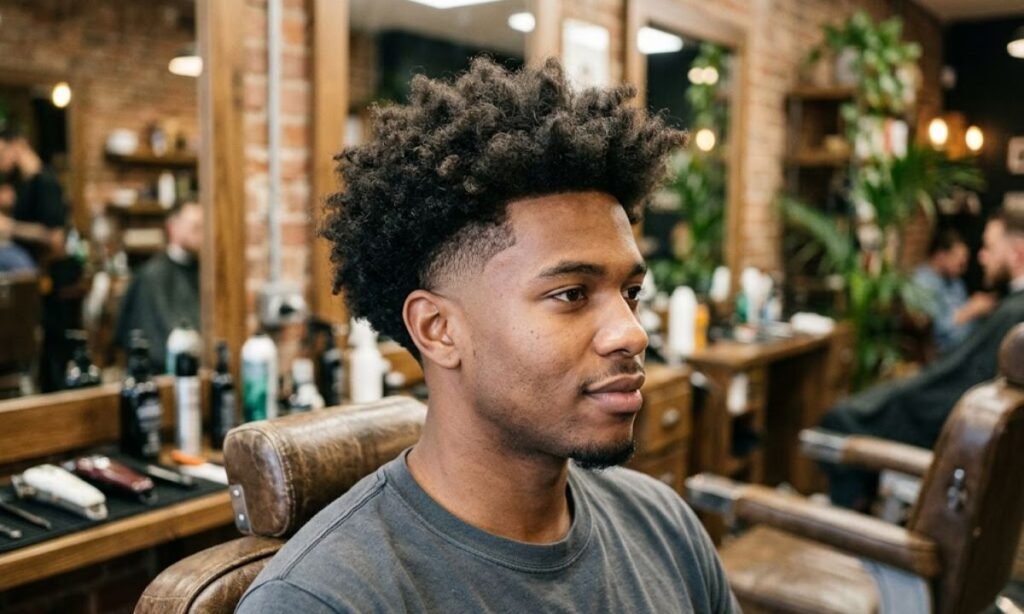
Fluffy, voluminous top hair paired with the curved fade creates a soft, youthful silhouette that’s become popular among younger guys and teens. It reads casual and effortless.
Light texturizing spray adds lift without weighing down the natural fluffiness that makes this style work.
31. Skin Burst Fade
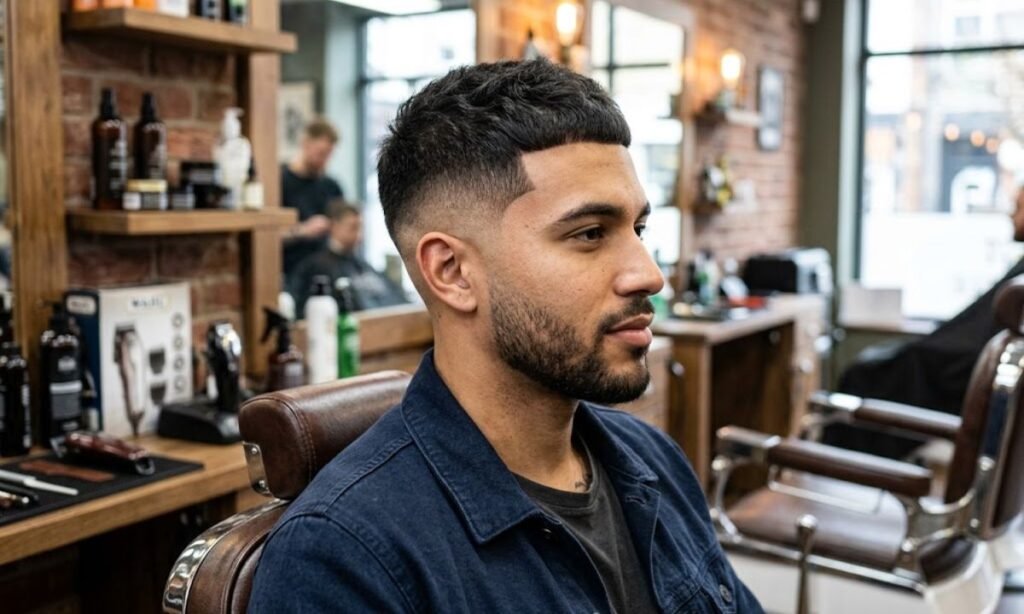
A skin burst fade takes the blend all the way down to bare skin, creating the sharpest possible contrast against top length. It’s the boldest, most dramatic version of this cut.
This variation needs the most frequent upkeep, typically every one to two weeks, since regrowth shows immediately at skin level.
32. Drop Burst Fade
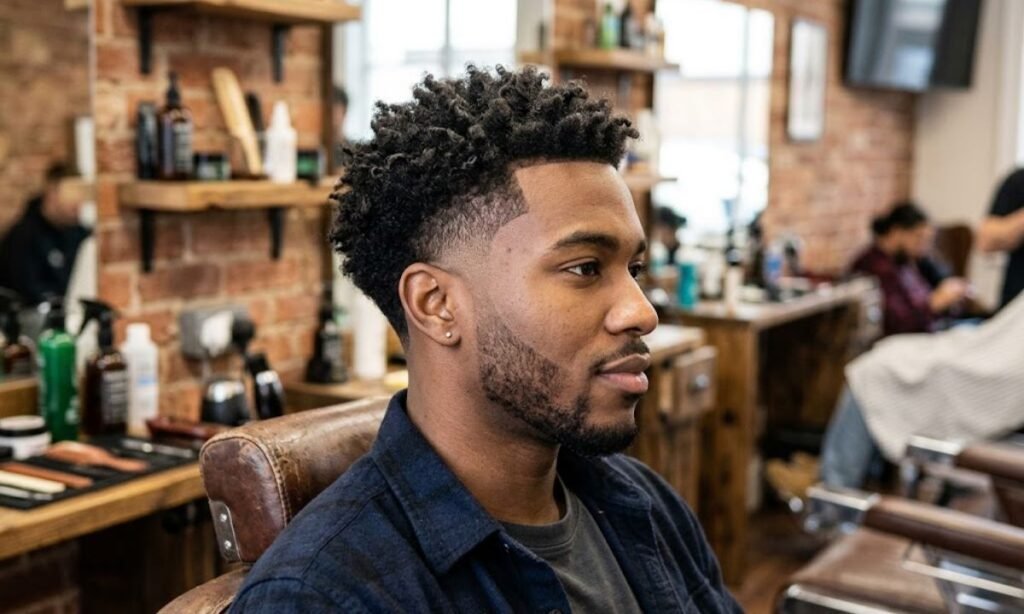
The drop burst fade curves the fade line downward behind the ear, dropping lower than a standard burst before curving back up. It adds an extra layer of shape and dimension.
This combination is popular with guys who want their fade to feel more custom and less like a standard barbershop template.
33. Messy Burst Fade
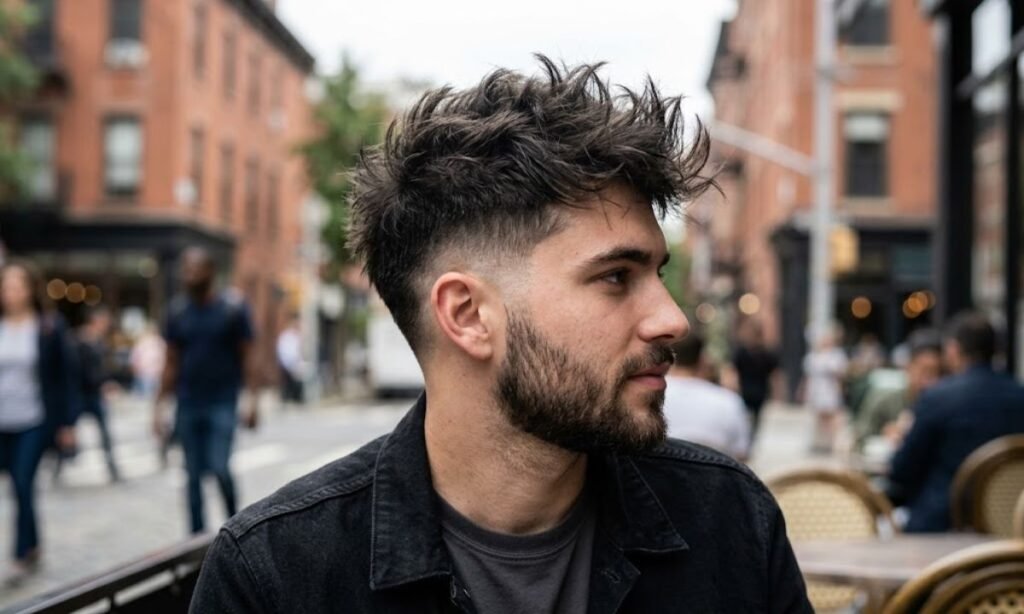
Deliberately tousled, textured top hair paired with clean curved sides creates contrast between structured and relaxed. It’s low effort styling that still looks intentional.
A matte clay works best here since it adds texture and separation without unwanted shine.
34. Burst Fade Pompadour
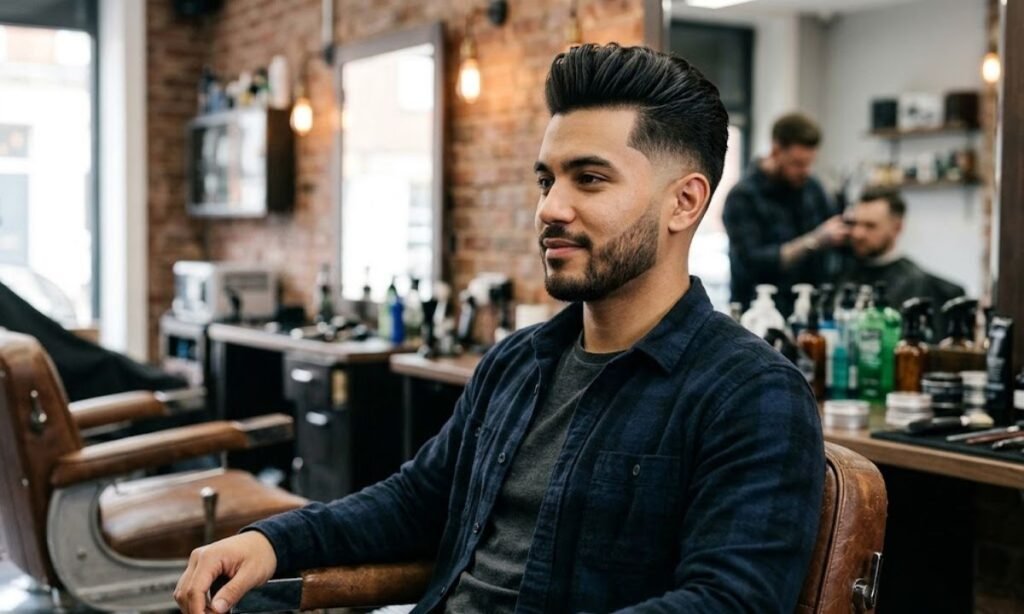
Classic pompadour volume and height up top meets modern curved fading below, blending vintage style with contemporary technique. It’s a striking, confident look.
Strong hold pomade and a comb are essential tools for maintaining pompadour shape throughout a full day.
35. Burst Fade Quiff
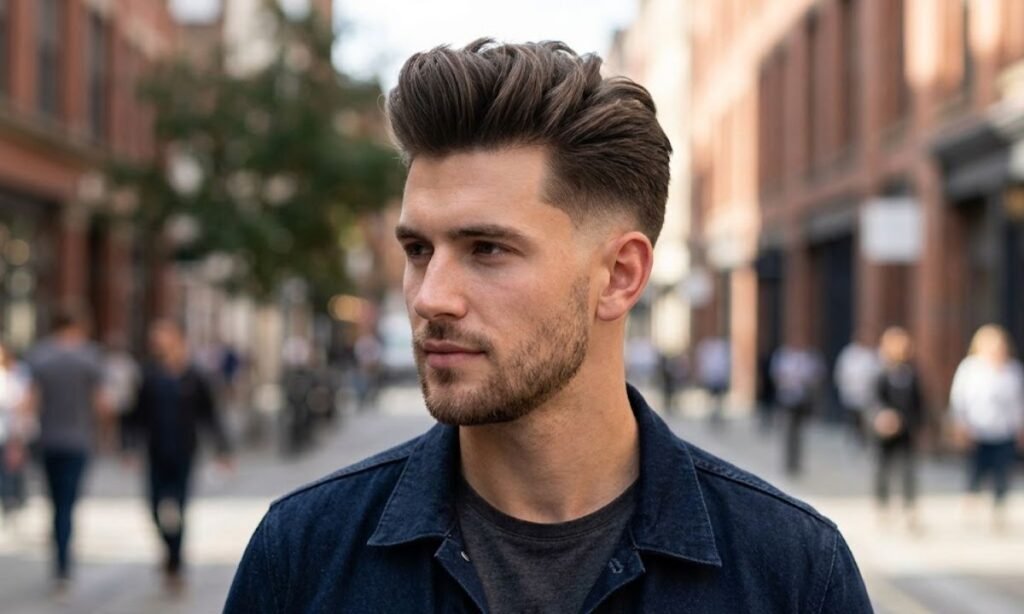
The burst fade quiff lifts hair up and slightly back at the front, creating soft volume that tapers naturally into the fade. It’s less structured than a pompadour but still adds noticeable height.
This style suits guys who want some volume and personality without the daily maintenance a full pompadour demands.
How to Choose the Right Barber for a Burst Fade
Not every barber has mastered the curved blending technique this cut requires, so it pays to do a little homework before booking. Look through a shop’s Instagram or TikTok for actual burst fade examples, not just generic fade photos.
Pay attention to the back view shots specifically, since that curved line behind the ear is the hardest part to get right. If a barber’s portfolio only shows straight line fades, they may not have the specific skill set this style demands.
Reading reviews that mention “burst fade” by name is another good signal. Guys who specifically praise this cut in a review usually got a barber who genuinely understands the technique.
How to Ask Your Barber for a Burst Fade
Clear communication makes the difference between a great haircut and a disappointing one. Walking in with specifics instead of vague requests saves everyone time and gets you closer to the exact look you want.
Bring Reference Photos
Photos remove guesswork entirely. Save two or three images from different angles, including a back view, so your barber can see exactly how the curve should sit behind your ear.
Choose Your Fade Height
Decide beforehand whether you want a low, mid, or high burst fade. Barbers appreciate specifics, and it prevents the awkward “actually, can you take more off” mid-haircut.
Decide the Length on Top
Think about how much length you want to keep, whether that’s enough for a slick back, a mullet, or just a short textured top. Mention your daily styling routine too, since that affects the ideal length.
Specify the Neckline
Ask for either a rounded or squared neckline depending on your preference. This small detail changes the overall silhouette more than you’d expect.
Mention Beard Blending
If you have facial hair, let your barber know upfront whether you want the sideburns blended into your beard. It’s much easier to plan for this from the start than to fix it after.
Ask About Your Maintenance Schedule
Every fade height needs different upkeep. A skin level burst fade might need a visit every one to two weeks, while a low burst fade can stretch to three or four.
Quick Barber Checklist
- Fade height: low, mid, or high
- Top length and desired style
- Neckline shape preference
- Beard blending, yes or no
- Reference photos from multiple angles
- Realistic maintenance schedule you can commit to
Best Burst Fade Haircut by Face Shape
Matching your fade to your face shape isn’t just a nice-to-have, it genuinely changes how flattering the finished cut looks in photos and in the mirror.
Round Face
Higher fades with more height on top help elongate a round face. Avoid too much width at the sides since that can emphasize roundness rather than balance it.
A high burst fade paired with a bit of height, like a small quiff or pompadour, adds the vertical lines that round faces benefit from most.
Oval Face
Oval faces are the most versatile shape out there, meaning almost any burst fade variation works well. This is the shape that can experiment most freely with mullets, mohawks, or dramatic designs.
Square Face
Square jaws pair nicely with textured, slightly softer top styles that break up strong angles. A textured burst fade or messy finish softens the overall silhouette in a flattering way.
Diamond Face
Diamond faces are widest at the cheekbones, so styles with volume at the forehead and jaw help balance proportions. A fringe based cut like the French crop burst fade works particularly well here.
Heart Face
Wider foreheads and narrower chins benefit from styles that don’t add extra width up top. A low or mid burst fade with moderate top length keeps proportions balanced and natural looking.
Oblong Face
Longer face shapes benefit from styles that add width rather than height. Avoid tall pompadours here and lean toward fuller, side swept options like a comb over or textured fringe instead.
Quick Face Shape Guide
- Round: high fade, added height on top
- Oval: nearly any style works
- Square: textured, softer top styles
- Diamond: fringe based cuts with forehead volume
- Heart: low to mid fade, moderate length
- Oblong: side swept styles adding width
Expert Barber Advice
Most experienced barbers will tell you the same thing: bring a photo, but stay open to adjustments. Your natural hairline, cowlicks, and hair density often matter more than face shape alone when it comes to what actually looks good day to day.
A skilled barber studies your growth pattern before touching the clippers, adjusting the burst curve slightly to work with your natural hairline rather than fighting against it.
Best Burst Fade Haircut by Hair Type
Hair type changes everything about how a burst fade sits, moves, and needs to be maintained. Here’s what tends to work best for each texture.
Straight Hair
Burst fade for straight hair looks sharpest with clean, defined top styles like a slick back or comb over. Straight strands hold styling shapes well but can look flat without some texturizing product.
Curly Hair
Burst fade for curly hair benefits from cutting dry first, since curls shrink and shift compared to how they look wet. Keeping some length on top lets the natural curl pattern show off properly.
Wavy Hair
Burst fade for wavy hair pairs beautifully with natural texture products like sea salt spray or light sea foam. Waves add movement that looks effortless rather than overly styled.
Thick Hair
Burst fade for thick hair can handle bold, high contrast styles like pompadours or mohawks since there’s enough density to hold shape and volume all day long.
Thin or Fine Hair
Burst fade for thin hair benefits from lower fade heights that don’t expose too much scalp, plus lightweight products that add texture without weighing hair down flat.
Coily or Afro Hair
Coily and afro textures pair naturally with the burst fade’s curved shape. Moisturizing products matter more here than hold products, since coily hair tends to dry out faster than other textures.
Quick Hair Type Guide
- Straight: clean, structured top styles
- Curly: cut dry, keep some length
- Wavy: light texture products, natural movement
- Thick: bold, high volume styles
- Thin: lower fade height, lightweight products
- Coily: moisture first, embrace natural curl shape
Best Burst Fade Haircut by Age
Younger guys in their teens and twenties often lean toward bold, high contrast versions like skin burst fades, designs, or mohawks, since these cuts photograph well and suit a more experimental phase of life.
Guys in their thirties and forties frequently prefer low or mid burst fades with more conservative top lengths, balancing style with workplace expectations. It’s still sharp, just dialed back slightly from the more extreme versions.
Older guys, including those managing thinning hair, tend to favor lower fade heights and shorter overall lengths that require less daily styling while still looking clean and put together.
Burst Fade for Receding Hairlines and Thinning Hair
A burst fade can actually work in your favor if you’re dealing with a receding hairline or general thinning, since the curved shape draws attention away from the hairline itself and toward the ear and temple area instead.
Keeping the top slightly shorter, rather than long and heavy, prevents thinning areas from looking sparse or patchy. Texturizing products with light hold add volume without the greasy, flat look that heavier pomades can create on thinning hair.
Talk openly with your barber about problem areas. A good barber can adjust the fade height and top length specifically to minimize how noticeable thinning appears, sometimes even suggesting a slightly higher fade to reduce overall visual bulk up top.
Best Products for Burst Fade Styling
The right product depends heavily on your hair type and the specific style you’re going for, but a few categories cover almost every burst fade variation out there.
Pomades, both water based and oil based, work well for slick backs, comb overs, and pompadours where strong hold and shine matter most. Matte clays and pastes suit textured, messy, or fringe based styles since they add grip without shine.
Sea salt sprays enhance natural texture in wavy or curly hair, while curl creams and leave-in conditioners keep coily and afro textures moisturized and well defined. Light hold texturizing sprays work great for thin hair that needs volume without weight.
Pro Tip
Apply product to slightly damp, not soaking wet, hair for the most even distribution and longest lasting hold throughout the day. Product applied to fully dry hair often sits on top of strands instead of working through them properly.
How to Style a Burst Fade Haircut?
Styling changes based on your top length and hair type, but the fundamentals stay pretty consistent across most burst fade variations.
1. Choose the Right Styling Products for Your Hair Type
Match your product to both your hair texture and your desired finish. Thick hair can handle heavier pomades, while fine hair usually needs lighter, water based options that won’t weigh strands down.
2. Blow Dry Technique for a Clean and Voluminous Look
Use a round brush and medium heat, drying hair in the direction you want it to fall while lifting at the roots for volume. Finish with a cool shot to lock the shape in place before applying product.
3. How to Style a Burst Fade with Curly or Wavy Hair
Apply curl cream or mousse to damp hair, then either air dry or use a diffuser on low heat to preserve natural curl pattern. Avoid brushing curly hair when dry, since that breaks up curl clumps and creates frizz.
4. Creating Texture and Definition With Pomade or Wax
Rub a small amount of product between your palms first, then work it through hair starting at the ends and moving toward the roots. This builds texture gradually instead of overloading strands with product all at once.
Barber Tools Used to Create a Burst Fade
Professional clippers with adjustable guards handle the bulk of the fading work, while trimmers create the crisp, detailed edges around the ear and hairline. Combs help barbers section hair evenly during the blending process.
Shears come into play for texturizing and shaping the top length, especially on styles like the French crop burst fade or textured burst fade where precision cutting matters more than clipper work.
Straight razors sometimes finish off the neckline and hairline for that extra crisp, clean edge, particularly on skin level fades where any stray hairs would be immediately noticeable.
Step-by-Step Burst Fade Tutorial
Here’s roughly how a skilled barber approaches building a burst fade from start to finish, whether you’re curious about the process or a barber in training studying technique.
Step 1 – Prep the Hair
Hair gets washed and sometimes cut slightly damp for more accurate initial shaping. Barbers assess natural growth patterns, cowlicks, and hairline shape before making the first cut.
Step 2 – Create the Burst Shape
Using clippers, the barber establishes the curved line behind and around the ear first, setting the foundation for the entire fade before moving to the rest of the head.
Step 3 – Debulk the Hair
Excess bulk gets removed from the top and transition zones using thinning shears or texturizing techniques, which helps the fade blend more smoothly into longer top length.
Step 4 – Set the Fade Lines
The barber establishes clear guide lines at each fade height, working from the shortest guard near the burst curve up to the longest length at the top.
Step 5 – Blend the Fade
This is where technique really shows. The barber works back and forth between guard lengths, softening harsh lines into that signature smooth, gradual transition burst fades are known for.
Step 6 – Detail the Fade
Trimmers clean up fine details around the ear, temple, and hairline, sharpening the overall shape and removing any stray hairs the clippers missed.
Step 7 – Clean the Edges
The neckline and sideburns get their final shape here, using either trimmers or a straight razor depending on the desired finish and how crisp the client wants the edges to look.
Step 8 – Final Touch
Product gets applied to style the top section into its final shape, and the barber does one last check from multiple angles, especially the back, to confirm the burst curve sits symmetrically.
Final Result
A well executed burst fade should look sharp from every angle, with a smooth curved transition that has no visible lines or choppy sections. The top length should complement your chosen style, whether that’s a mullet, quiff, or simple textured crop.
How Often Should You Get a Burst Fade Touched Up?
Maintenance frequency depends heavily on your chosen fade height. Skin level burst fades typically need a touch-up every one to two weeks, since regrowth is most visible at that closeness.
Low and mid burst fades stretch a bit further, usually lasting three to four weeks before the shape starts losing its crispness. Keeping a consistent schedule with the same barber also helps, since they already know your growth pattern and preferred shape.
Burst Fade Taper vs Other Fade Styles
Understanding how a burst fade compares to other popular fades helps you communicate exactly what you want, especially if you’re used to a different cut.
Burst fade taper vs low fade: a low fade keeps the blend close to the ear in a straight line, while the burst curves around it, creating a rounder, softer transition overall.
Burst fade taper vs mid fade: mid fades sit higher on the head with straight lines, whereas a mid burst fade brings that same height but with the curved, ear-hugging shape instead.
Burst fade taper vs high fade: high fades create dramatic straight-line contrast near the crown, while a high burst fade delivers similar drama but with softer, rounded edges around the ear.
Burst fade taper vs taper fade: a standard taper fade blends gradually with no dramatic curve, making it the most subtle option, while the burst fade always includes that signature curved detail regardless of height.
Common Burst Fade Mistakes to Avoid
Going too short too fast is probably the most common regret guys have. It’s always easier to take more off at your next appointment than to grow back hair you didn’t want removed.
Skipping the maintenance schedule is another frequent issue. A burst fade that grows out unevenly starts looking messy in a way that’s different from, say, a buzz cut growing out, since the curved shape distorts more noticeably.
Finally, not communicating clearly with your barber leads to mismatched expectations more often than you’d think. Always confirm fade height, top length, and neckline shape before the clippers ever touch your head.
Burst Fade Haircut Cost
Pricing for a burst fade haircut typically runs anywhere from twenty five to sixty dollars depending on your location, the barbershop’s reputation, and whether you’re adding extras like a beard trim or a design.
Higher end barbershops in major cities often charge more, while local or neighborhood shops tend to offer more budget friendly pricing without necessarily sacrificing quality. It’s worth asking upfront about pricing for any add-ons like a straight razor finish or intricate design work.
Frequently Asked Questions About Burst Fade Haircuts
Does a burst fade work with all hair types? Yes, from straight to coily, the curved shape adapts to nearly every texture, though the top style and product choice should match your specific hair type for the best result.
How long does a burst fade take to cut? Most burst fades take between thirty and forty five minutes, slightly longer than a basic buzz cut due to the detailed blending work required around the ear.
Can I do a burst fade at home? It’s possible with clippers and patience, but the curved blending technique is genuinely difficult to master without practice, so most guys get better results at a barbershop, especially for their first few cuts.
Is a burst fade good for job interviews? A low or mid burst fade with a conservative top length reads as clean and professional, making it a safe choice for most workplace settings.
You can also checkout this article as well Burst Fade Taper Haircut: 25 Best Styles for Men in 2026
Final Thoughts
The burst fade haircut earns its popularity honestly. It flatters nearly every face shape, adapts to every hair type, and gives barbers room to get creative with 35 plus style variations, from a subtle low burst fade to a bold burst fade mohawk.
Bring reference photos, communicate your fade height and top length clearly, and commit to a realistic maintenance schedule, and you’ll walk out of the chair with a cut that actually looks like the picture you showed your barber.
Whether you’re chasing a skin burst fade for maximum contrast or a softer grown out burst fade for easier upkeep, there’s a version of this cut built for exactly what you want in 2026.
