
Last updated: October 2026
You’ve scrolled through fifty photos and saved six. Now you’re in the chair, and the barber asks what you want. Your mind goes blank.
Sound familiar? Most guys worry about the same things. Will it look good from behind? Will it clash with my office? Will my curls ruin the lines?
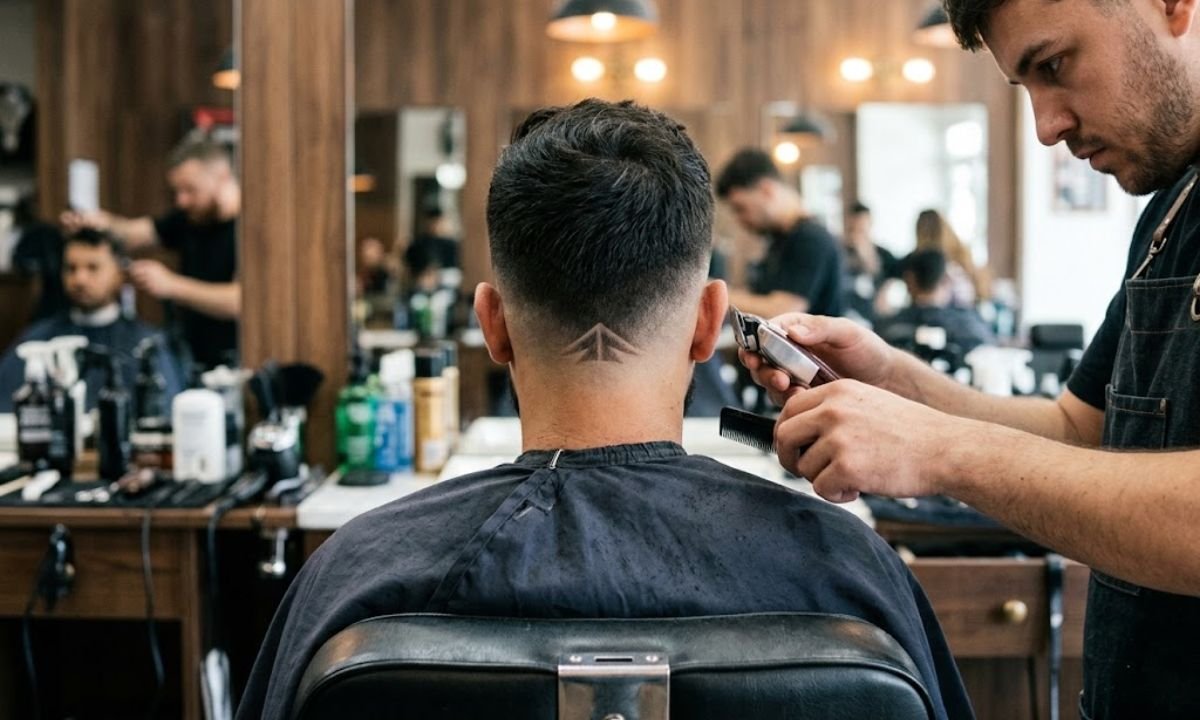
Here’s the short answer. A mid taper design is a mid taper haircut with a shaved pattern added, usually at the nape, side, or temple. You ask for it by naming three things: the taper height, the design shape, and where it sits.
This guide walks you through each piece. You’ll get a word-for-word script, a maintenance plan, and the mistakes that wreck a good cut. Grab a coffee and let’s get into it.
What is a mid taper design?
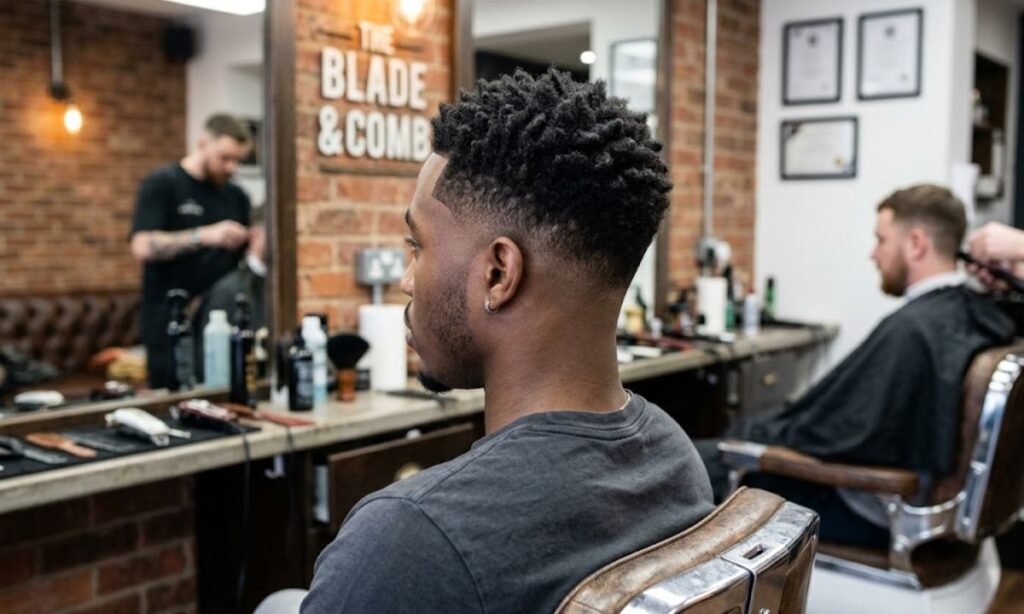
A mid taper design pairs a gradual taper with a shaved pattern cut into the hair. The taper starts around the middle of the sides and back, near the temple and mid-ear. The design sits on top of that clean base.
So what does a mid taper haircut with design look like? Picture neat sides that shorten slowly toward the neck. Now add a sharp slash near the temple or a small triangle at the nape. That contrast between hair and skin is the whole point.
Barbers call these shaved hair patterns or creative barber designs. They range from one thin line to a full geometric back panel. Same taper, wildly different personality.
What Is a Mid Taper (and How Is It Different from a Mid Fade)?
A mid taper keeps some length at the neckline and around the ears. The hair gets shorter in small steps, but it doesn’t usually drop to bare skin. A mid fade blends all the way down to skin.
Where does a mid taper fade start? Right around the middle of the side of your head, level with your temple or the top of your ear. A barber usually starts the transition there and works downward.
That’s why people mix up mid taper vs mid fade. The names sound alike, but the finish looks different. A taper reads classic and soft. A fade reads sharp and dramatic.
How do you choose between them? Think about contrast. A fade shows a mid taper fade with lines more boldly because skin makes the pattern pop. A taper gives a subtler look that suits most offices.
Mid Taper vs Low Taper vs High Taper
Height changes everything. A low taper starts near the base of the ear and hugs the neckline. It’s the safest option, but it leaves little room for side designs.
A high taper starts up near the crown or upper temple. It looks bold and clean, though it exposes more scalp. That’s a lot of attention for a first-timer.
The mid taper sits in the middle, which is why it’s so popular. You get enough shaved space for a design without going extreme. If you’re unsure, start here.
Barber Haircut Terminology Cheat Sheet
Walking in with the right words saves you from a bad surprise. Barbers speak a shorthand, and a few terms cover most requests. Here’s a quick reference you can screenshot.
| Term | What it means |
|---|---|
| Taper | Hair that shortens gradually toward the neck and ears, without going to skin |
| Fade | A blend that drops down to bare skin |
| Line-up | A crisp edge along the natural hairline and temples |
| Neckline | The shape of the hair edge at the back: tapered, rounded, or blocked |
| Guard number | The clipper attachment that sets cutting length |
| Hard part | A shaved line cut into the hair, usually on the side |
| Nape | The back of your neck, just above the collar |
| Freehand | A design cut without a stencil, by eye |
You don’t need to memorize all of it. Just know two or three terms that fit your cut. That alone shows your barber you’ve done your homework.
Mid Taper Design Ideas (Categorized by Placement & Complexity)
There’s no single “best” design. It depends on where you work, how often you visit the barber, and how much attention you want. Sorting ideas by complexity makes the choice easier.
Think of it like ordering coffee. Some days you want a plain black cup. Other days you want the triple-shot caramel thing. Both are valid.
Simple Designs (Office-Safe)

Simple designs keep things quiet. A single-line hair design is one thin shaved line, often above the ear or along the side. A double-line haircut design adds a second parallel line for a little extra edge.
A mid taper with hard part is the classic here. The barber shaves a clean line near the part, so your top looks sharper. It’s the most minimalist haircut design you can get and still feel intentional.
These work well for a professional mid taper haircut. They’re the answer to “what are the best simple mid taper designs?” Nobody at the meeting will blink, but you’ll notice the difference in the mirror.
Geometric Designs (Statement Styles)
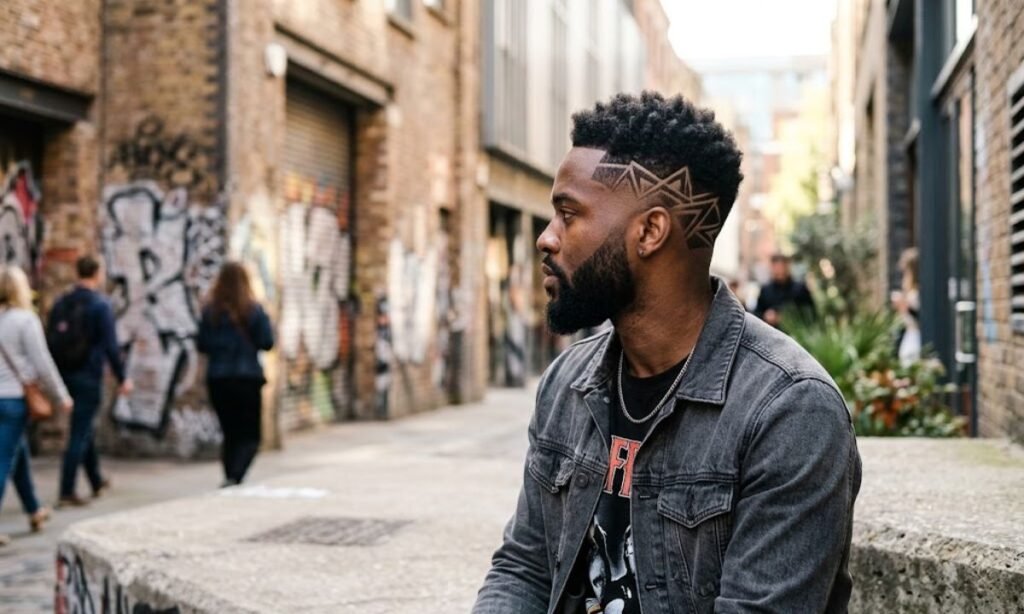
Geometric designs use angles and repeating shapes. Think mid taper with triangle design, a mid taper with chevron pattern, or a mid taper with M design. They’re precise, which means they need a skilled barber.
How do you get a geometric design on a mid taper? Bring a clear reference photo and point out where the shape should land. The barber will map it with a trimmer or outline it before cutting.
A mid taper with lightning bolt is another favorite. It’s a jagged slash, usually near the temple, that gives the cut some energy. It’s loud enough to be a statement, but it still looks tidy.
Freestyle Designs (Maximum Creativity)
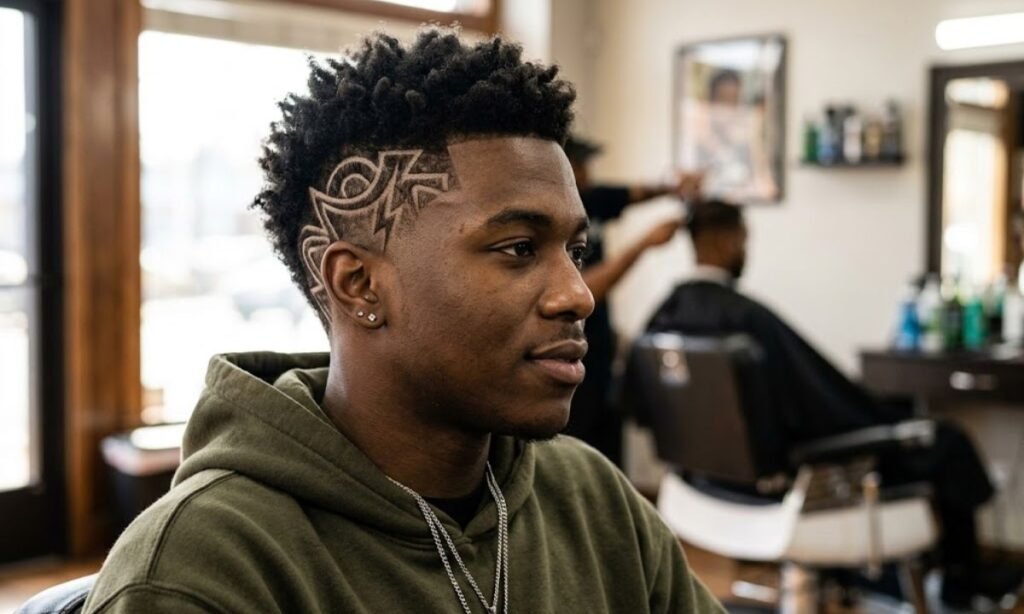
Freestyle designs are where barbers show off. A mid taper freestyle design has no fixed template. The barber builds the pattern around your head shape and hair direction.
Want a mid taper with tribal design? You’ll need a barber who has real experience with it. These patterns involve curves and layered lines, so ask to see their past work first.
Can you get custom initials shaved into a haircut? Yes, a mid taper with custom initials is common. Keep letters small and bold, because thin letters turn muddy fast as hair grows back.
What Are the Best Mid Taper Design Ideas for the Back of the Head?
The back is the part you never see. That’s exactly why it deserves some thought. Friends, coworkers, and anyone standing behind you in line will see it all day.
Mid taper back design ideas usually work with the shape of your skull. Clean lines and gentle curves look best. Busy patterns often look messy from behind, especially when they cross the curve of your head.
Most back-of-head haircut designs concentrate on the nape. It’s a flat, easy surface, and the hair there is short enough to show crisp detail. Below are the options barbers ask about most.
Nape-Specific Design Types
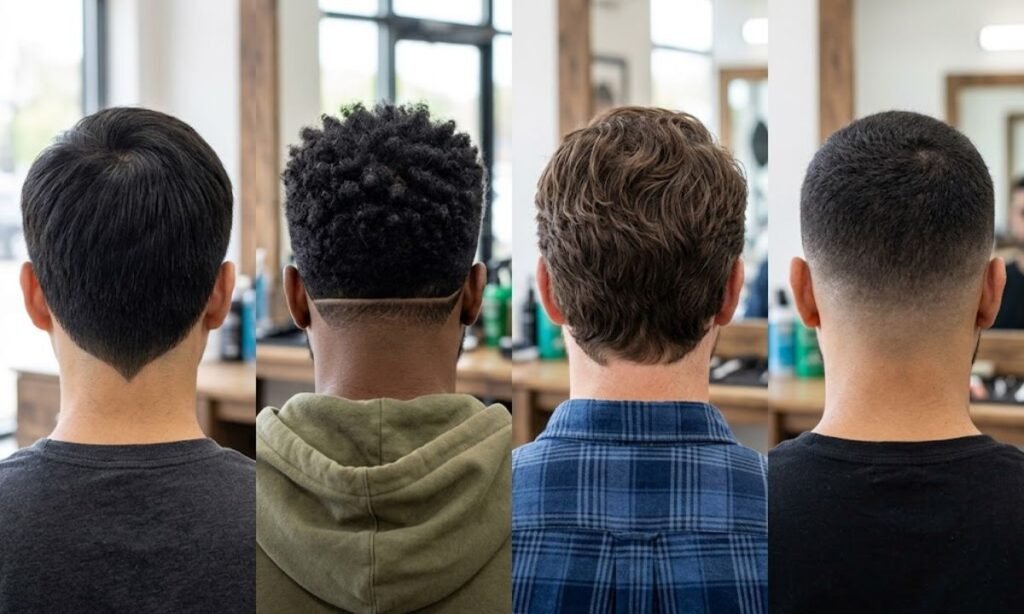
What is the best nape design for a mid taper? It comes down to your head shape and how bold you want to go. Here are the main choices:
- V-shaped design: A V-taper nape design narrows the hair into a point at the center of the neck. It looks sharp and works with most heads.
- Horizontal nape line: A straight horizontal nape line gives a clean, blocky finish. It suits narrow necks well.
- Curved temple-to-nape slash: This long, sweeping line travels from the temple around toward the back. It looks stylish but needs steady hands.
- Chevron at the nape: How do you get a chevron design at the nape? Ask for a layered V pattern, one or two lines stacked together.
- Tapered, rounded, or blocked neckline: These mid taper neckline styles shape the edge itself. A tapered neckline fades softly, a rounded neckline haircut curves, and a blocked neckline haircut cuts straight across.
If you’re nervous, start with a V or a horizontal line. Both are easy to fix or grow out. You can try something wilder next visit.
Back-View Gallery: What to Look For
The title says “back-view,” so let’s talk about how to read one. A good gallery photo shows the nape straight on, in even light, with the head slightly lowered. If a photo is angled or shadowed, don’t trust it.
Why does a nape design look uneven from behind? Usually it’s one of three things. The barber placed it off-center, the head was tilted during cutting, or the hair grows in different directions on each side.
When you browse hair design reference photos, check symmetry first. Then check line sharpness, and finally the blend into the taper. If all three look clean, you’ve found a barber (or a style) worth saving.
Mid-Taper Side Designs (Temple & Sideburn Placement)
The sides are the easiest place to start. You see them in the mirror every morning. That makes it simple to judge the cut and to tell your barber what to fix.
A mid taper side design usually lives above the ear or near the sideburn. A mid taper temple design sits higher, closer to the hairline. Both frame your face, so think about whether you want to draw the eye up or across.
What are the best sideburn haircut designs? Clean, angled sideburn design lines and a sharp temple line haircut go with almost anything. They also blend well with a standard hairline line-up.
Side Design Placement Options
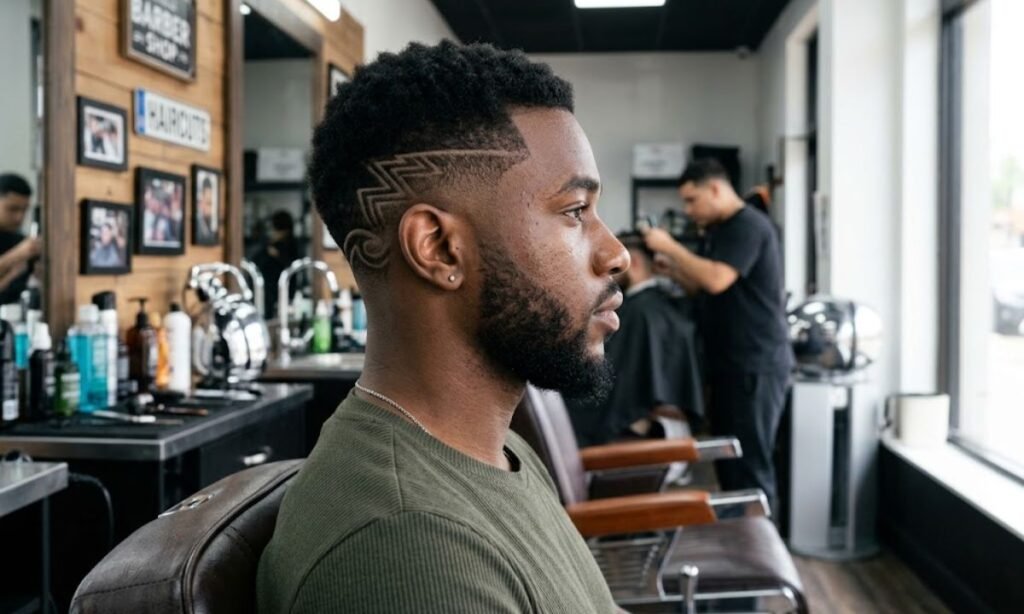
Where should the design go? Here’s a quick guide to the usual spots:
| Placement | Look | Best for |
|---|---|---|
| Above the ear | Subtle, easy to hide | Office settings |
| Temple | Frames the face | Defined hairlines |
| Sideburn | Sharp and classic | Beard-friendly cuts |
| Behind the ear | Hidden until you turn | Guys who want a surprise |
Pick one spot and stick with it for the first round. Mixing two or three placements at once often looks cluttered. Simple placement almost always beats busy placement.
What Should I Tell My Barber to Get a Mid-Taper Design?
Most bad haircuts start with a vague request. “Just do something cool” is a gamble. A clear message gets you what you want and saves everyone time.
You don’t need fancy vocabulary. A bit of barber haircut terminology and a photo go a long way. Here’s a simple script to follow.
The 4-Part Barber Communication Script
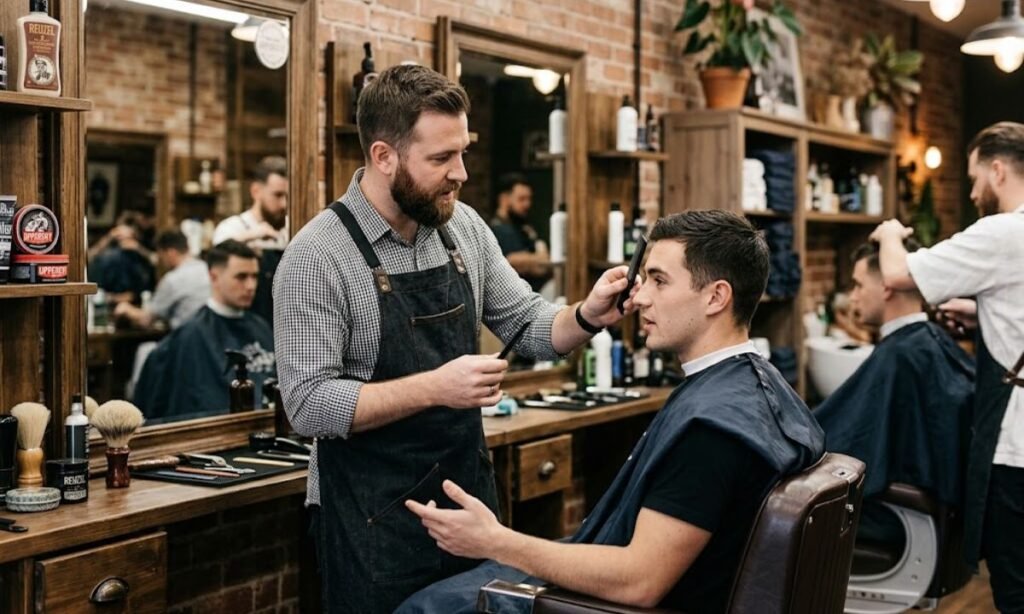
Part 1: Name the taper. Say, “I want a mid taper, starting around my temple.” That sets the height. If you’re torn, ask, “Mid taper or mid fade for this design?” and let them advise.
Part 2: Name the design. Be specific. “A V-shaped design at the nape” beats “something at the back.” If you’re not sure of the name, show a photo.
Part 3: Give the guard numbers. What clipper guard should a barber use for a mid taper? Many barbers work between a #1 and a #3 on the sides, then blend shorter toward the neckline. Every barber has a method, so treat this as a starting point. Ask what they recommend for your clipper guard sizes. That’s the heart of the mid taper guard numbers conversation.
Part 4: Explain placement. How do you explain design placement to a barber? Use landmarks. Say “two fingers above my ear” or “centered on the back of my neck.” Landmarks beat vague words like “high” or “low.”
That’s the whole script. Four sentences, maybe twenty seconds. After that, let them work.
How to Use Hair Design Reference Photos
Should you bring a reference photo to your barber? Yes, always. Words mean different things to different people, but a photo is hard to misread.
Bring two: one front or side shot, and one back view. If the model’s hair type is different from yours, tell your barber. A design that looks great on straight hair may look different on tight curls.
Also, ask what changes the barber would make for your head shape. A good one will answer honestly. If they say “it’ll look exactly the same,” be a little skeptical.
Do Mid Taper Designs Work with My Hair Type?
Short answer: yes, but the details change. Are mid taper designs suitable for all hair types? Almost always, with a few adjustments. Texture, density, and growth direction all shape how a design turns out.
So how do you choose the right mid taper design for your hair texture? Start by thinking about contrast and thickness. Thin, fine lines work better on some textures. Bold, wider lines work better on others.
Your barber is the best judge of this. But it helps to know what to expect before you sit down.
Mid Taper Design Compatibility by Hair Type
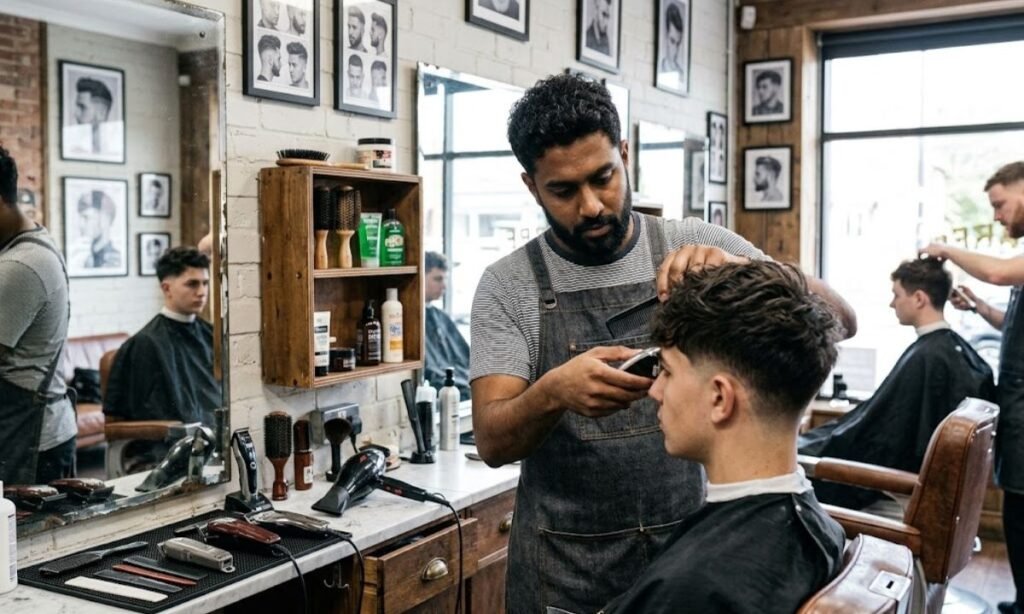
Here’s how designs behave across textures:
| Hair type | What works | Watch out for |
|---|---|---|
| Straight hair taper design | Fine lines, geometric shapes, hard parts | Lines show regrowth quickly |
| Wavy hair taper design | Medium lines, curved slashes | Waves can soften sharp edges |
| Curly hair taper design | Bold lines, simple shapes | Thin lines blur fast |
| Coily hair taper design | Clean, thick lines, geometric panels | Needs a precise barber |
| Thinning hair | Subtle side lines, minimal designs | Busy patterns look patchy |
What mid taper designs work best for straight hair? Fine detail does well, because there’s less hair bounce to hide it. Wavy hair works well with curved lines. Which designs suit curly hair? Thicker lines and simple shapes.
For mid taper designs for Black men with coily texture, strong geometric lines and clean parts are a classic fit. They hold their shape well and look sharp against skin. A talented barber can do remarkable detail here, so look at portfolios.
Why do shaved designs fade faster on curly hair? Dense, fast-growing curls fill in the shaved area quickly, so the edges look fuzzy sooner. That’s why curly-haired guys often need touch-ups more often.
What about mid taper designs for thinning hair? Yes, they can work. Keep the design subtle and small, and choose a closer taper so the contrast looks intentional rather than patchy.
Two head-shape factors matter too. What’s the best mid taper design for a flat head? If your back is flat, barbers often prefer curved or V-shaped lines. These add the shape your head naturally lacks. How does the occipital bone affect nape design placement? That bump at the base of your skull sets where the back curves. A haircut design for flat occipital bone usually sits slightly higher, so it follows the curve instead of fighting it.
And cowlicks? A cowlick haircut design needs care, because hair grows in a swirl there. Barbers often avoid placing a line right through it. Ask them to work around it.
Top Style Pairings

The bottom half of the cut is only half the story. What top hairstyles pair well with a mid taper design? A few go with it nicely:
- Textured crop with mid taper: Does a textured crop work with a mid taper design? Yes. The messy top balances the sharp sides.
- Slick back with mid taper design: Can you combine a slick back with a mid taper design? Absolutely. It’s polished and very classic.
- Pompadour with mid taper: Volume on top makes the clean sides look even sharper.
- French crop with mid taper: Short, forward fringe with tidy sides. Easy to maintain.
- Buzz cut with nape design: What designs work best with a buzz cut or short Afro? Clean lines at the nape or temple. There’s little top length to distract from them.
- Short Afro with mid taper: Defined shape on top, crisp lines at the sides.
If you’re still stuck, pick the top you already wear. Then choose a design that doesn’t compete with it.
How Do I Choose a Design for Work vs. a Bold Statement?
Ask yourself one question. How much attention do you want at 9 a.m. on Monday? Your answer tells you everything.
Which mid taper designs are best for professional settings? Simple ones. A thin line, a hard part, or a small nape detail. These look like a sharp haircut, not a statement.
What are the boldest mid taper haircut designs? Large geometric shapes, tribal patterns, and wide freestyle designs. Bold men’s haircut designs attract attention, so make sure that’s what you want.
How do you choose a haircut design for your workplace? Check the dress code, then look at your coworkers. If tattoos and colored hair are normal there, you have more freedom. If the culture is conservative, stick to office-safe haircut designs.
Design Appropriateness Scale

Here’s a quick rating. One means quiet and safe, five means loud and bold.
| Level | Design | Where it works |
|---|---|---|
| 1 | Clean taper, no design | Everywhere |
| 2 | Hard part or single line | Offices, interviews |
| 3 | Double lines, small nape V | Casual workplaces |
| 4 | Chevron, triangle, lightning bolt | Creative jobs, weekends |
| 5 | Tribal, large freestyle, initials | Weekends, events |
You can also scale it up and down. Keep a level 2 for work weeks and try a level 4 before a vacation. Many guys do exactly that.
How Long Does a Mid Taper Design Last?
Not long, honestly. Hair grows roughly half an inch a month on average, and shaved areas show it quickly. A crisp design usually looks best for about one to two weeks.
How often should you touch up a mid taper design? Most guys book a visit every two to three weeks. Curly or fast-growing hair may need it closer to two. Slower growers can stretch toward four.
Does that sound like a lot? It’s the price of a sharp look. But you can choose simpler designs if you don’t want to visit that often.
Mid Taper Design Growth Timeline
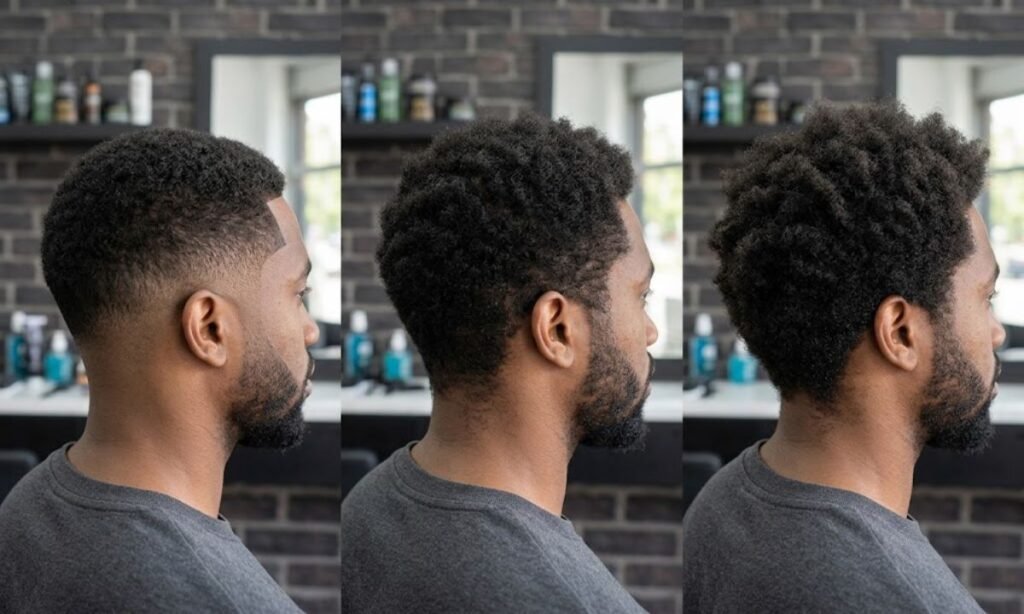
Here’s what to expect as your hair grows:
| Time | What you’ll see |
|---|---|
| Days 1 to 7 | Crisp lines, strong contrast |
| Week 2 | Slight softness, still looks clean |
| Week 3 | Edges blur, haircut design visibility drops |
| Week 4 | Design mostly gone, taper looks shaggy |
| Weeks 5 to 6 | Full shaved design grow-out, time for a new cut |
How long does it take for a shaved haircut design to grow out? Roughly four to six weeks for full disappearance. When should you get a full mid taper refresh? When the taper itself looks fuzzy, usually around week three or four.
How to Keep Your Design Sharp Between Visits
How do you maintain a shaved design between barber visits? Keep the skin clean, and don’t touch the lines. Wash your hair normally, but avoid scrubbing hard over the design area.
How can you keep a mid taper neckline clean? Use a small trimmer to tidy stray hairs below the neckline. Go slowly, and never cut above the existing line. Mid taper design maintenance is mostly about restraint.
Can you touch up a mid taper design at home? A little, yes. Small stray hairs are fine to trim. But don’t try to redraw the design yourself. A quick tip: a moisturizer or light oil on the skin keeps it looking clean. For mid taper fade maintenance, follow the same rules, and book your mid taper touch-up schedule before you leave the shop.
What Mistakes Should I Avoid?
Most disasters share the same causes. They’re avoidable once you know them. Here are the ones barbers hear about most.
5 Common Mid Taper Design Mistakes
- Being vague with your barber. “Surprise me” is a risk. Use the script above.
- Picking a design that fights your hair type. Thin lines on tight curls blur in days. Match the design to your texture.
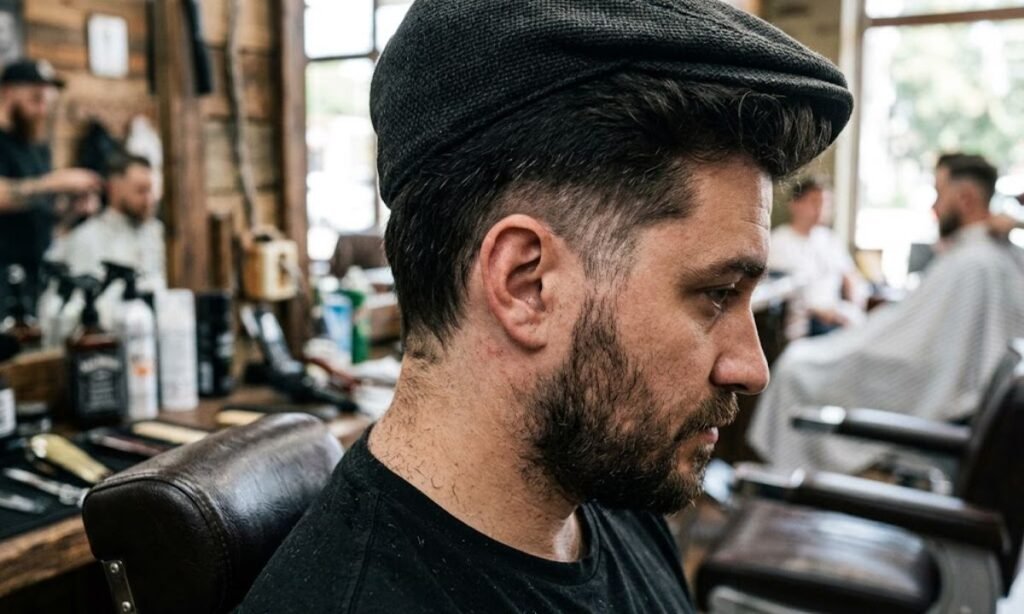
- Skipping the back-view check. Always ask for a hand mirror. Look at the back before you pay.
- Ignoring your head shape or cowlick. Placement matters. Ask your barber to adjust for your natural hairline design and growth patterns.
- Waiting too long for a touch-up. A faded design looks sloppy. Book the next visit before you leave.
Which mistakes should you avoid with a mid taper design? Those five cover most regret stories. The rest is just finding a barber you trust.
Mid Taper Design Trends for 2026
What is the best mid taper design for 2026? Clean, minimal looks keep winning. Men’s haircut trends 2026 lean toward subtle hard parts, thin double lines, and small nape details. The loud stuff hasn’t gone away, but it’s no longer the default.
What are the most popular shaved haircut designs right now? Simple lines, V-shapes, and understated geometry top most barber requests. Textured tops, such as crops and short curls, also pair well with these.
One more thing worth noting. People want designs that survive Monday meetings and Saturday nights. That’s why mid-level, flexible designs are so popular. Trends shift, so ask your barber what they’re seeing locally.
You can also checkout this article as well Blowout Taper Fade: 35 Styles, Hair Type Guide, and Exact Barber Scripts (2026)
Frequently Asked Questions
What’s the difference between a taper and a fade?
A taper shortens hair gradually and usually leaves some length at the neckline. A fade blends all the way down to bare skin. Both create a clean look, but the fade is higher contrast.
For designs, a fade makes patterns pop more. A taper looks softer and more traditional. Choose based on how bold you want the final result.
How much does a mid taper with design cost?
It depends on the shop and city. A standard men’s cut often runs around $25 to $50 in many US cities. Designs usually add roughly $5 to $20, depending on complexity.
Complicated freestyle work costs more because it takes longer. Ask for a price before you sit down. A good barber will quote you upfront.
Can I get a mid taper design if I have a cowlick?
Yes, but your barber will need to plan around it. Cowlicks grow in a swirl, so a line cut through one can look crooked. Most barbers place designs just away from the swirl.
Tell your barber about it before they start. They can also suggest a slightly longer taper to hide it. Simple, curved designs usually work best.
Do mid-taper designs work for thinning hair?
They can. Small, subtle designs and a clean taper often make thinning hair look intentional. Skip heavy patterns, which can highlight sparse areas.
A closer taper and minimal lines are the safest bet. Ask your barber to keep more length on top for contrast. That balance usually looks sharper.
What’s the best mid-taper design for a flathead?
Curved lines and V-shaped designs tend to work best. They add shape to a flat back of the head. Straight horizontal lines can emphasize the flatness.
Placement also matters. Your barber may set the design a bit higher to follow your skull’s curve. Show them a back-view photo so you both agree on the look.
How do I maintain a mid-taper design between barber visits?
Keep it clean and don’t over-trim. Tidy stray hairs with a small trimmer, and avoid redrawing lines. Moisturize your skin so the edges stay crisp.
Most guys need a touch-up every two to three weeks. Book your next appointment before you leave. That one habit saves most designs.
Key Takeaways
- A mid taper design is a taper that starts near the mid-ear, plus a shaved pattern at the nape, side, or temple.
- A taper keeps some length at the neckline, while a fade drops to skin.
- Use the 4-part script: taper height, design name, guard numbers, and placement landmarks.
- Match the design to your hair type. Thin lines blur fast on curly and coily hair.
- Simple designs suit offices, and geometric or freestyle designs make a statement.
- Expect a touch-up every two to three weeks, and full grow-out in four to six weeks.
- Always check the back view with a mirror before you pay.
Which design are you leaning toward? Drop a comment and tell us what your barber says. If this guide helped, share it with a friend who’s nervous about asking for his first design.
