
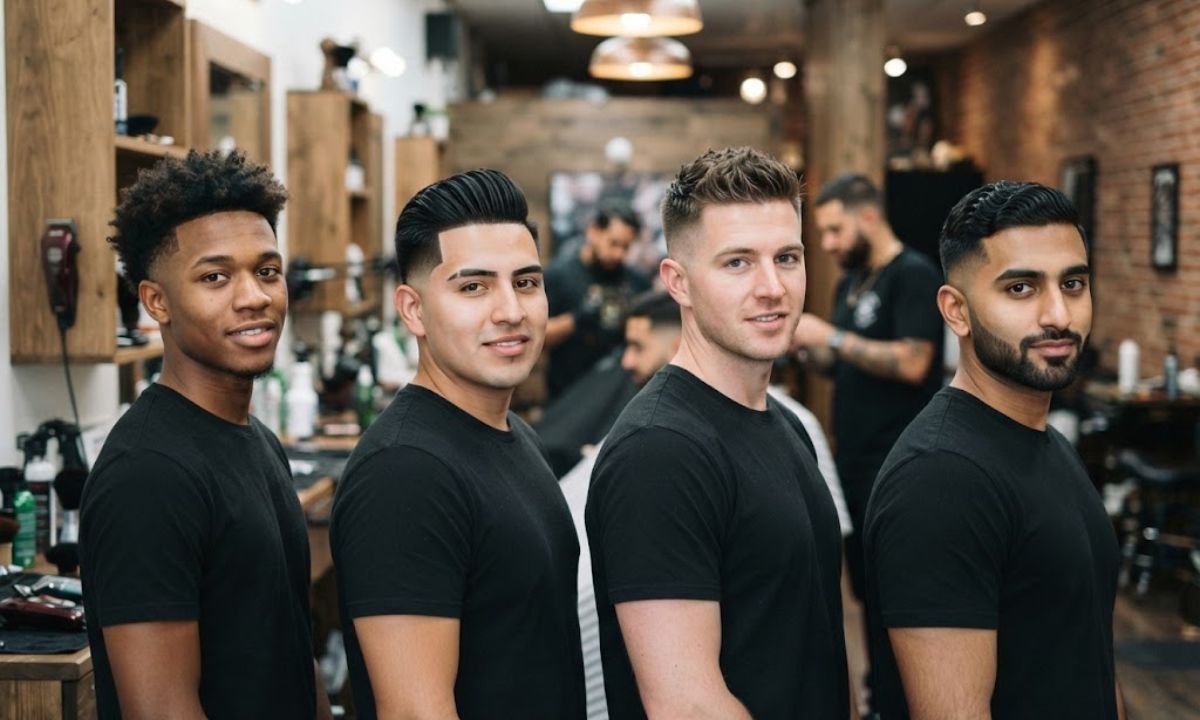
What Are the Main Types of Taper Fade?
The main types of taper fade are low, mid, and high, based on where the fade starts on your head.
From there you get variations like skin fade, burst taper, drop fade, and shadow taper, each changing the blend zone or fade line in its own way.
Pick based on your face shape, your job, and how often you can hit the barber for touch-ups.
What Are the Main Types of Taper Fade?
Let’s break it down even simpler.
A taper haircut keeps length up top and slowly trims down toward the neckline and sideburns.
A fade pushes that trim further, blending hair into skin or near-skin using clipper guards or a razor finish.
Mix the two and you get a taper fade, the style barbers cut more than almost anything else right now.
Quick Navigation: Types of Taper Fade at a Glance
Here’s every style covered in this guide, so you can jump to what fits you.
Foundation types by fade height:
- Low taper fade
- Mid taper fade
- High taper fade
Advanced technique variants:
- Skin fade / bald fade taper
- Burst taper fade
- Drop fade taper
- Shadow taper fade
- Temple fade (Brooklyn fade)
By hair texture:
- Curly hair
- Straight hair
- Afro hair
- Asian hair
- Wavy hair
- Thick and coily hair
Bookmark this list. You’ll want to come back to it once you’ve picked your favorite.
What Is a Taper Fade?
A taper fade is a haircut where the sides and back shrink in length gradually, ending in a clean fade line near the skin.
Think of it as a haircut that never has a harsh stopping point. Your hair just melts from long to short.
Barbers use clipper guards in sequence, usually working from a longer number down to a zero or skin fade, to create that gradual blend.
It works because it’s flexible. You can wear it short and sharp for work, or grow the top out for something bolder on weekends.
That’s honestly why the taper fade haircut has stuck around this long. It adapts to almost any lifestyle without looking sloppy.
Taper vs. Fade: What’s the Difference?
People mix these words up constantly, and honestly, it’s an easy mistake.
A taper is subtle. Hair gets shorter near the hairline and neckline but never touches skin. There’s always some length left, even at the shortest point.
A fade, on the other hand, goes all the way down. It ends at bare skin or close to it, creating way more scalp exposure and contrast.
So when you’re comparing taper fade vs fade, know this. Every fade technically includes a taper somewhere in the blend, but not every taper turns into a full fade.
Tell your barber which one you want using these exact words. It saves you from walking out with the wrong haircut.
The 3 Foundation Types of Taper Fade
Every single fade variation you’ll see online traces back to one of these three heights.
Fade height decides how dramatic your haircut looks and how often you’ll need touch-ups to keep it sharp.
Let’s go through each one so you know exactly what to ask for.
Low Taper Fade
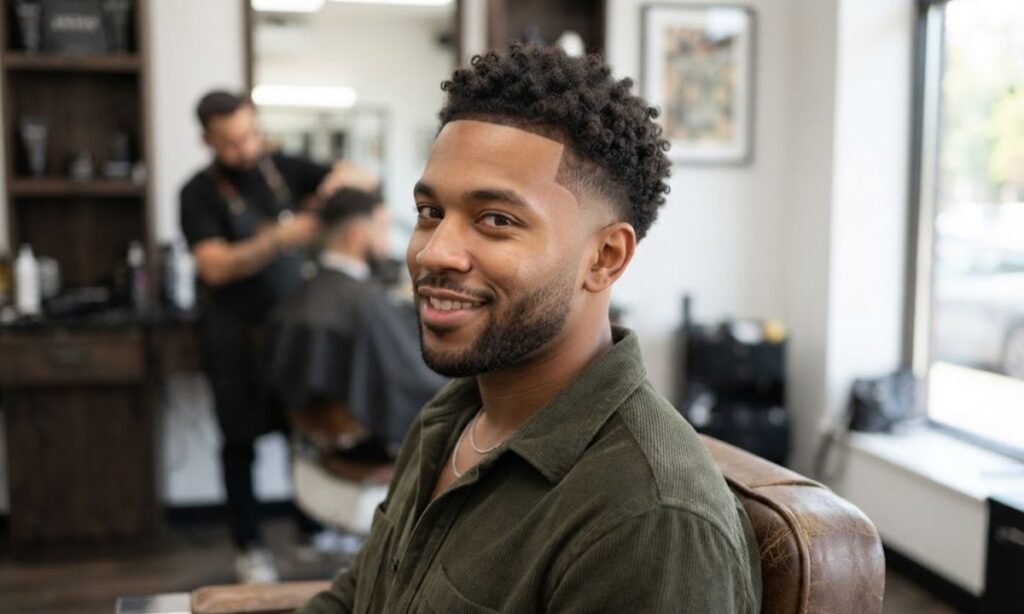
The low taper fade starts just above your ears, close to the neckline, and stays subtle the whole way up.
This is the safest pick if you work somewhere formal or you’re just easing into fades for the first time.
It keeps more length on the sides, which means less scalp exposure and a softer overall look.
Guys with a round face often reach for this one. It adds height without cutting too aggressively into the sides, which can make a round face look even rounder.
Maintenance wise, the low taper fade maintenance schedule is forgiving. You can usually stretch it to four or five weeks between visits before it starts looking grown out.
If you’re new to fades and nervous about looking overdone, start here. It’s the gateway style.
Mid Taper Fade
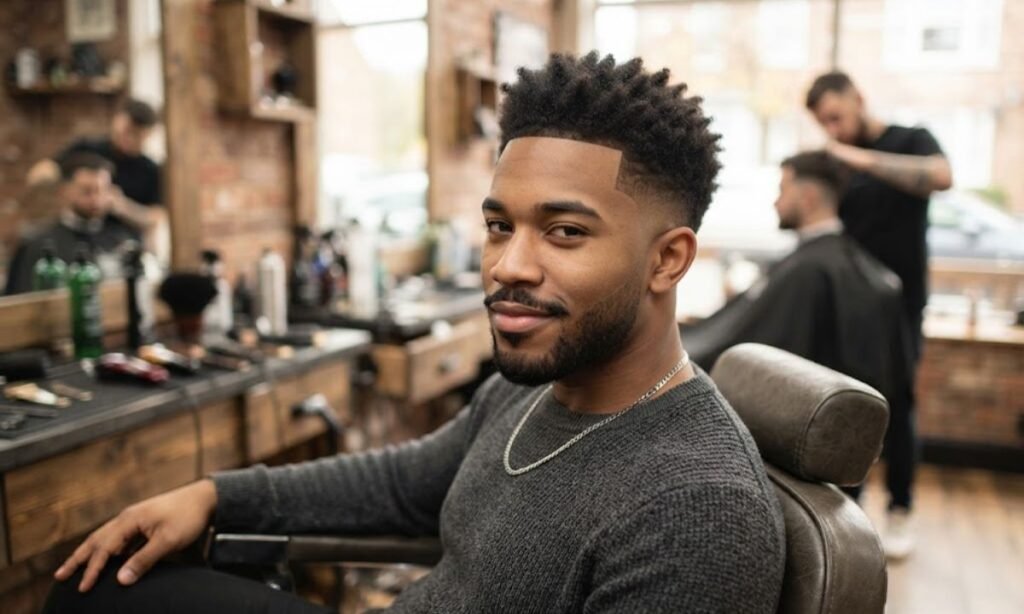
The mid taper fade haircut starts around the temple area, right where your head starts curving outward.
It’s the middle ground, more definition than a low fade, but not as bold as a high one.
This is probably the most requested version at barbershops because it suits nearly every face shape, especially oval face shapes that don’t need much correction.
You get sharper contrast up top, which pairs beautifully with a side part or a simple slick back.
Mid taper fade maintenance sits around three to four weeks. The blend zone grows out a bit faster than a low fade since it starts higher.
Honestly, if you can’t decide which height to pick, go mid. It’s the safe middle choice that rarely looks wrong.
High Taper Fade
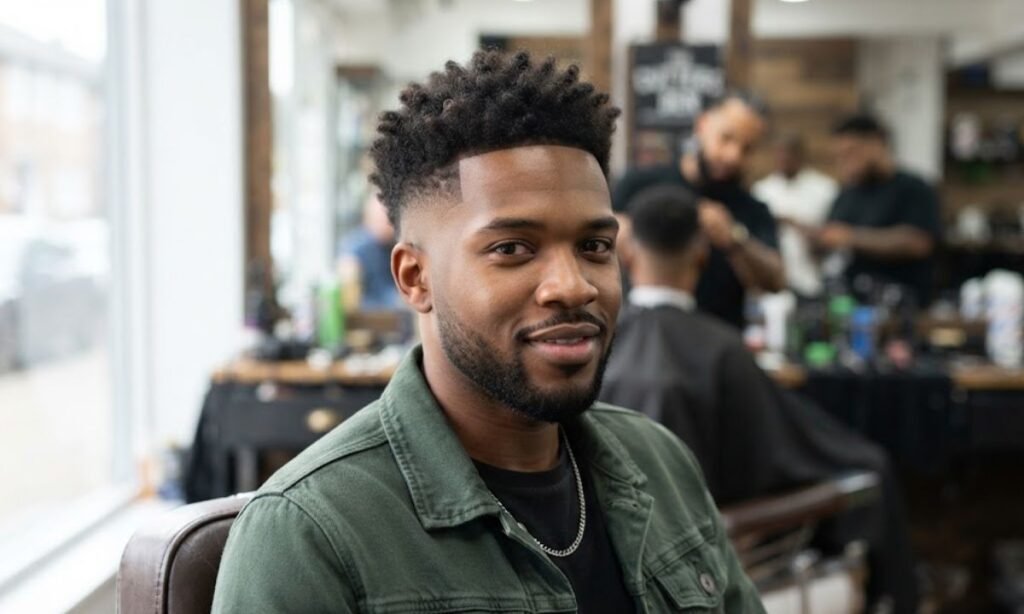
The high taper fade for men who want maximum contrast is exactly what it sounds like. The fade starts up near the crown, leaving a small strip of longer hair on top.
This one demands the most attention. High taper fade maintenance means visiting your barber every two to three weeks, sometimes sooner.
Guys with a square face or strong jawline tend to pull this off well. The sharp sides play up angular features instead of fighting them.
It’s bold. It’s not for everyone, and honestly, it takes confidence to wear well.
If your job has a strict dress code, ask your barber first. Some workplaces aren’t thrilled about that much scalp exposure.
Advanced Technique Variants: Beyond Basic Height
Once you understand height, the next layer is technique, meaning how the barber actually executes the fade line.
These variants change texture, sharpness, and how the haircut ages between visits.
Let’s walk through the five that show up most in barbershops right now.
Skin Fade / Bald Fade Taper
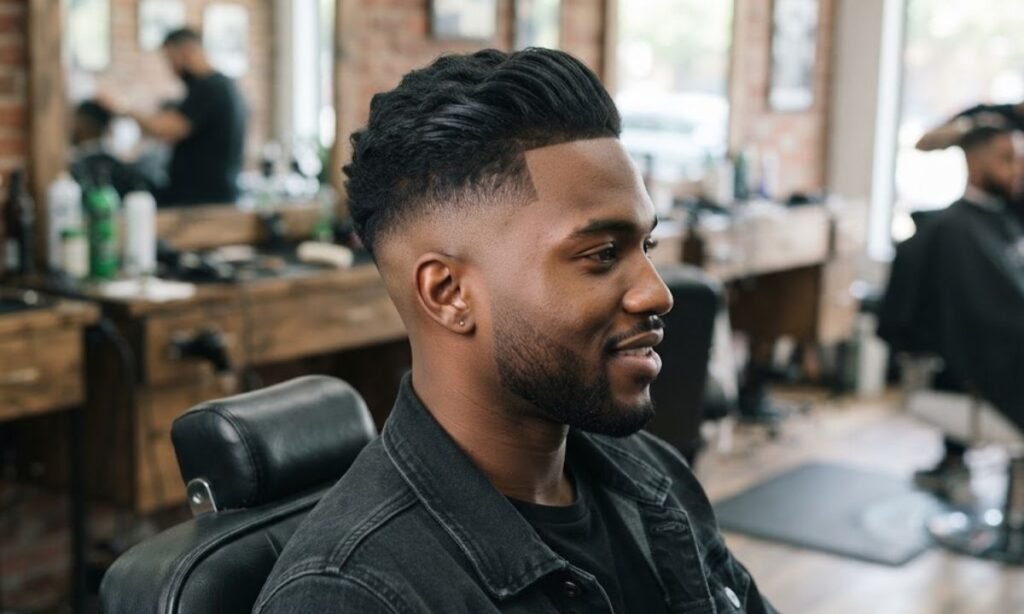
A skin fade taper, sometimes called a bald fade taper, takes the fade all the way down to bare skin using a razor finish or a zero guard.
There’s zero ambiguity with this one. The contrast between top and sides is as sharp as it gets.
It works on basically any hair texture, but it shows the most on guys with dark hair, since the contrast against skin pops harder.
The catch? This is a high maintenance taper fade by nature. New growth shows within a week or two, so you’re looking at frequent touch-ups.
Burst Taper Fade
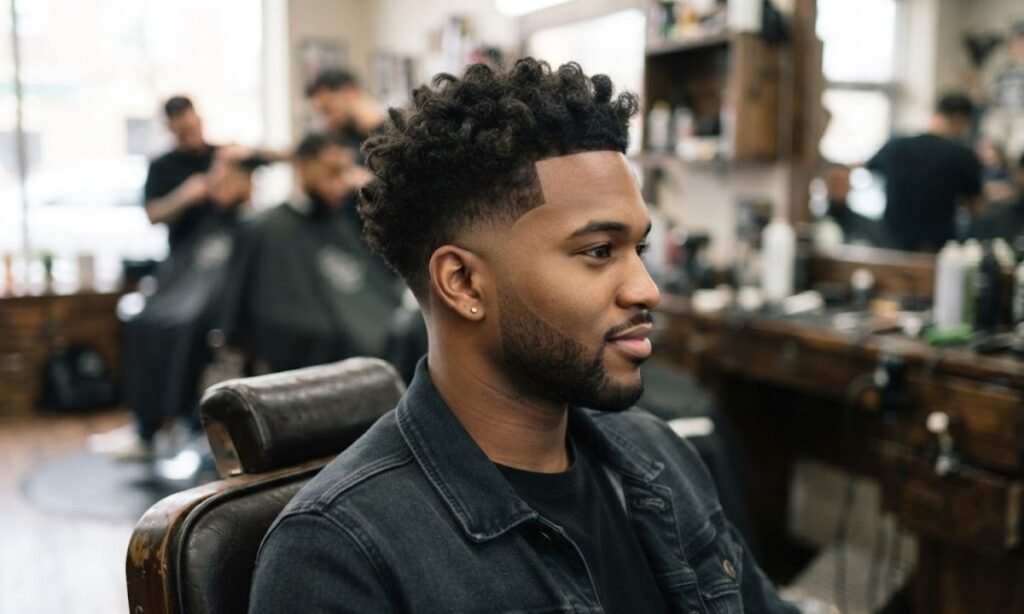
The burst taper fade curves around the ear instead of running in a straight line across the side of the head.
Picture a semicircle bursting out from behind the ear. That’s the shape.
This one is huge for burst taper curly hair, since the rounded shape complements natural curl movement instead of cutting against it.
It also pairs really well with specific styles. A burst taper mohawk or a burst taper mullet both use this curved technique to keep length on top while still fading the sides sharply.
If you want something a bit different from the standard straight fade line, this is your style.
Drop Fade Taper
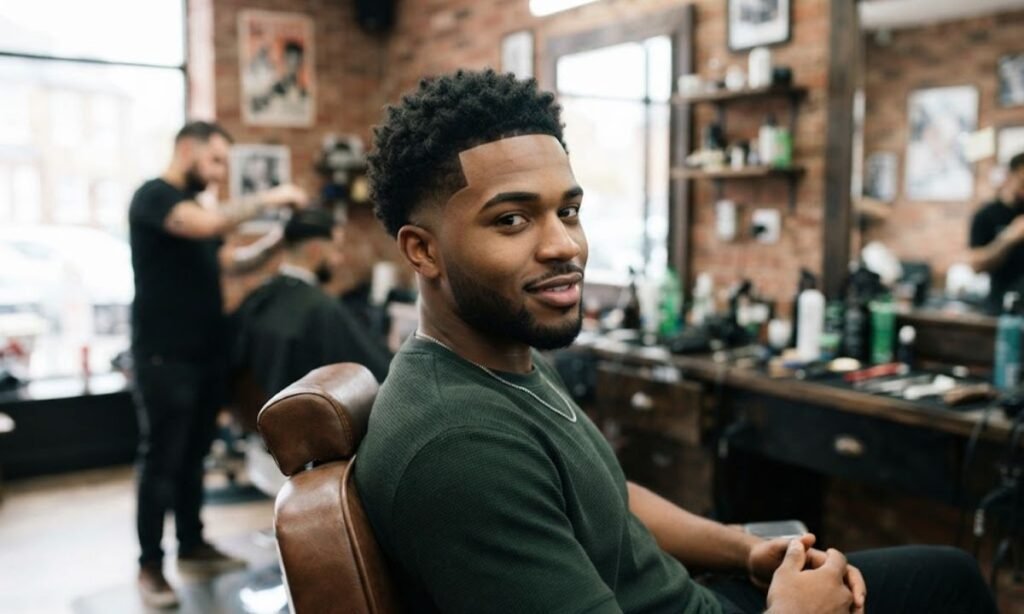
The drop fade taper dips downward behind the ear before curving back up toward the nape.
It’s designed to follow your natural head shape, which is why barbers love recommending it. Drop fade for natural head shape requests are common for a reason. It just looks right on more people.
This technique adds visual length to the back of the head and softens any flat spots some guys have near the crown.
Comparing taper fade vs drop fade styles, remember that a drop fade is really a shaping technique layered on top of your taper, not a separate haircut entirely.
Shadow Taper Fade
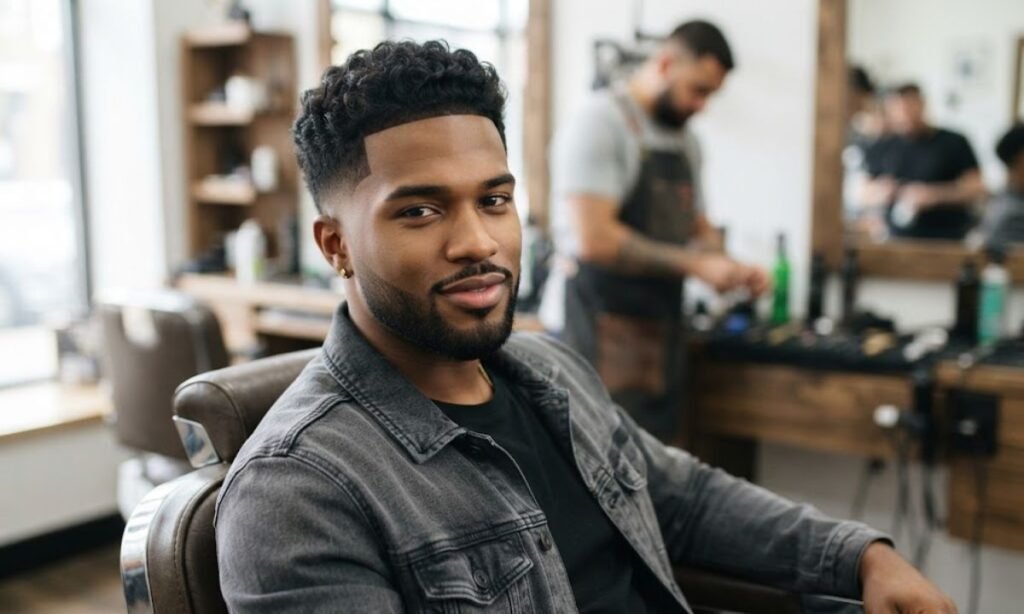
The shadow taper fade uses clippers with a guard instead of going bare skin, leaving a soft shadow of hair instead of a crisp line.
This is a fantastic pick if you want the fade look without the high maintenance of a skin fade.
Shadow taper for thick hair works especially well because thick strands fill in that shadow zone nicely, giving it texture instead of looking patchy.
It’s also solid for shadow taper for curly hair, since curls naturally soften harsh lines anyway.
Think of it as the low key cousin of a skin fade. Less dramatic, less upkeep, still sharp.
Temple Fade (Brooklyn Fade)
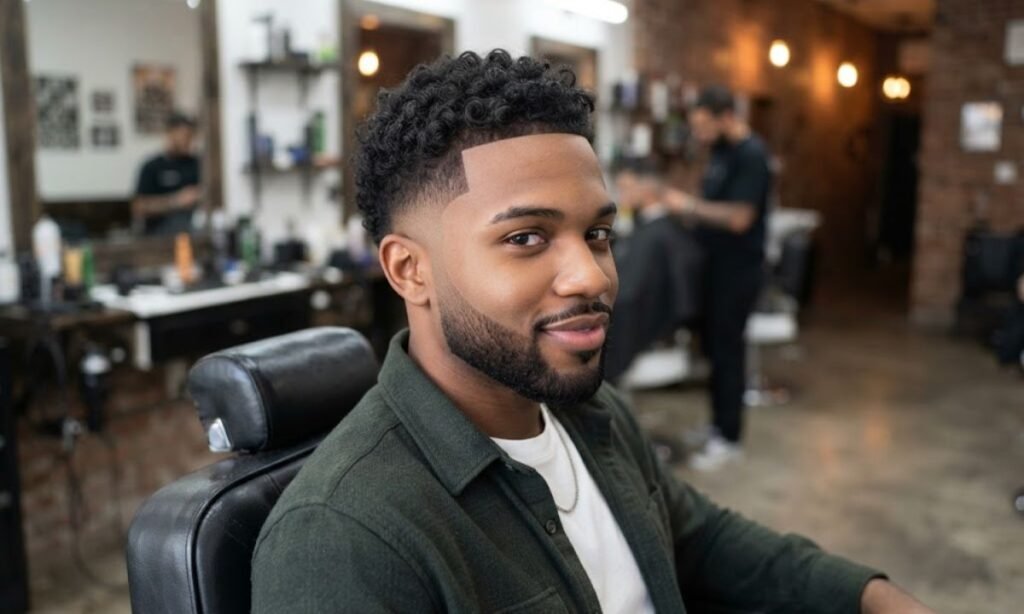
The temple fade haircut, often called the Brooklyn fade haircut, focuses the fade specifically around the temple area rather than the whole side of the head.
It leaves more length toward the back and neck while carving out sharp detail near the front hairline.
This style got its nickname from its popularity in Brooklyn barbershops, where detailed line work around the temples became a signature look.
Temp fade for curly hair guys love this one because it highlights curl pattern near the front without touching the length everywhere else.
It’s subtle from behind but sharp from the front. A nice trick if you want detail without going all in on a full fade.
Taper Fade Styles by Hair Type & Texture
Your hair texture changes everything about how a fade looks once it grows out.
What works beautifully on straight hair might look completely different on coily hair or thick strands.
Let’s match each type with its best fade approach.
Taper Fade for Curly Hair
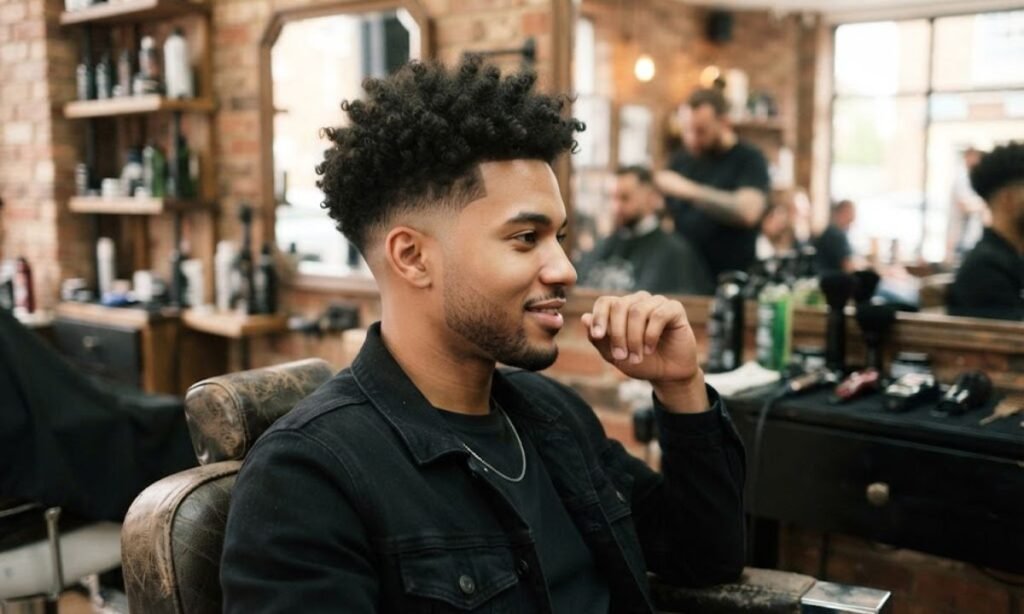
Taper fade for curly hair needs a barber who actually understands curl pattern, not just someone running clippers on autopilot.
Curls shrink as they dry, so a fade that looks perfect wet might look totally different once it’s air dried.
Ask for a slightly longer guard on top and let the natural texture do its thing. A curl-defining cream helps keep shape between washes.
Curly haired guys usually do well with a burst taper or shadow taper, since both techniques blend nicely with curl movement instead of fighting it.
Taper Fade for Straight Hair
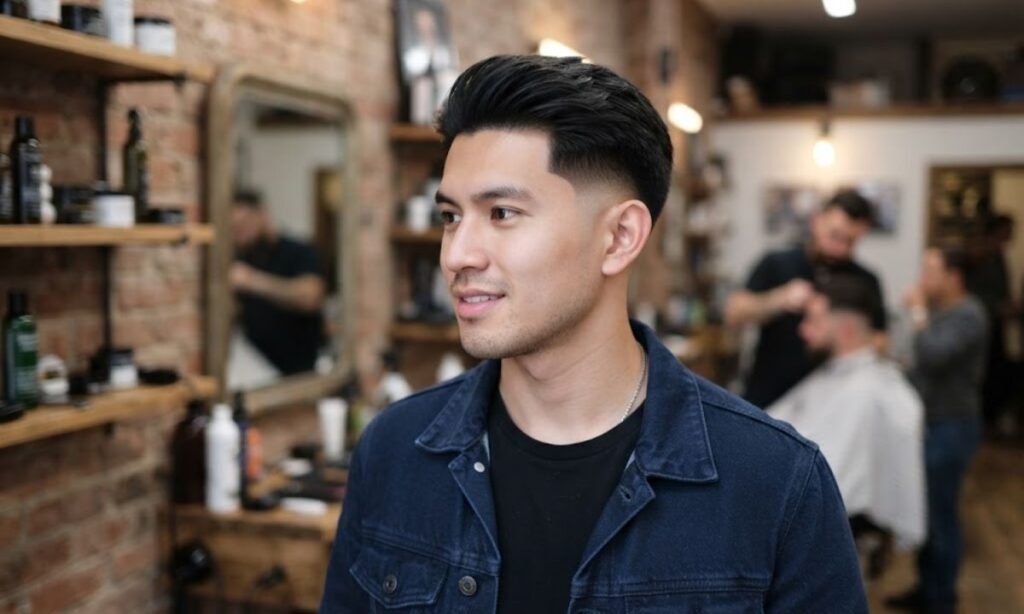
Taper fade for straight hair is honestly the easiest texture to work with. Every line shows crisp, and every fade blends predictably.
This texture handles a high taper fade especially well since straight hair lays flat and shows off contrast without any fuss.
Styling is simple too. A bit of matte paste or pomade and you’re set for the day.
If you’ve got straight hair and haven’t tried a skin fade taper, this is the texture where it looks its sharpest.
Taper Fade for Afro Hair
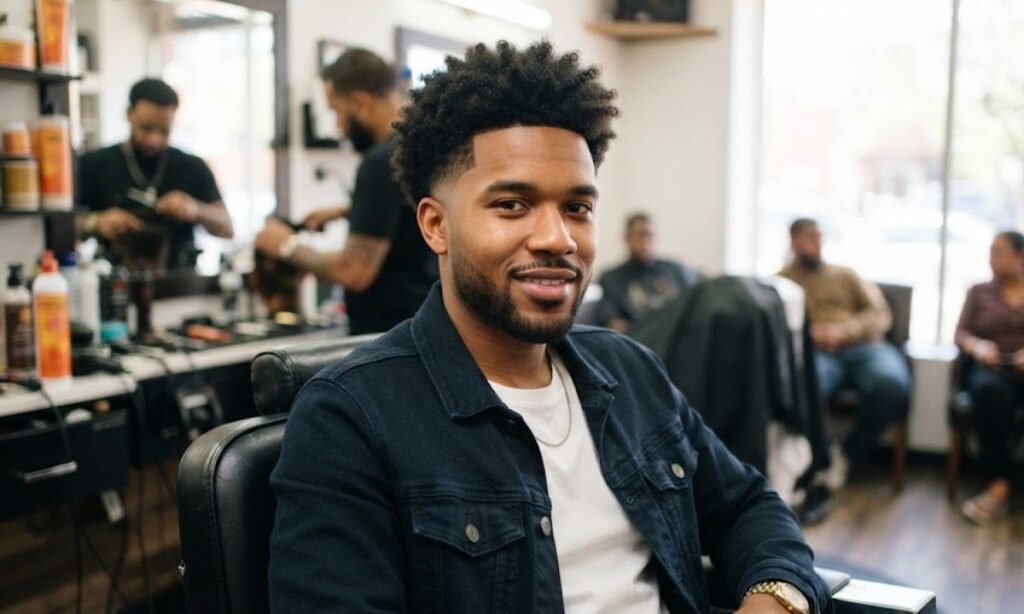
Taper fade for afro hair brings volume and density into the mix, which changes how the blend zone gets shaped.
Barbers experienced with afro hair know to work slower near the top, blending gradually so the transition from dense curls to faded sides doesn’t look choppy.
A drop fade or temple fade often works great here, since both techniques respect the natural rounded shape most afro textures create.
For upkeep, a leave-in conditioner keeps curls hydrated, and regular trims stop the shape from losing definition between visits.
Taper Fade for Asian Hair
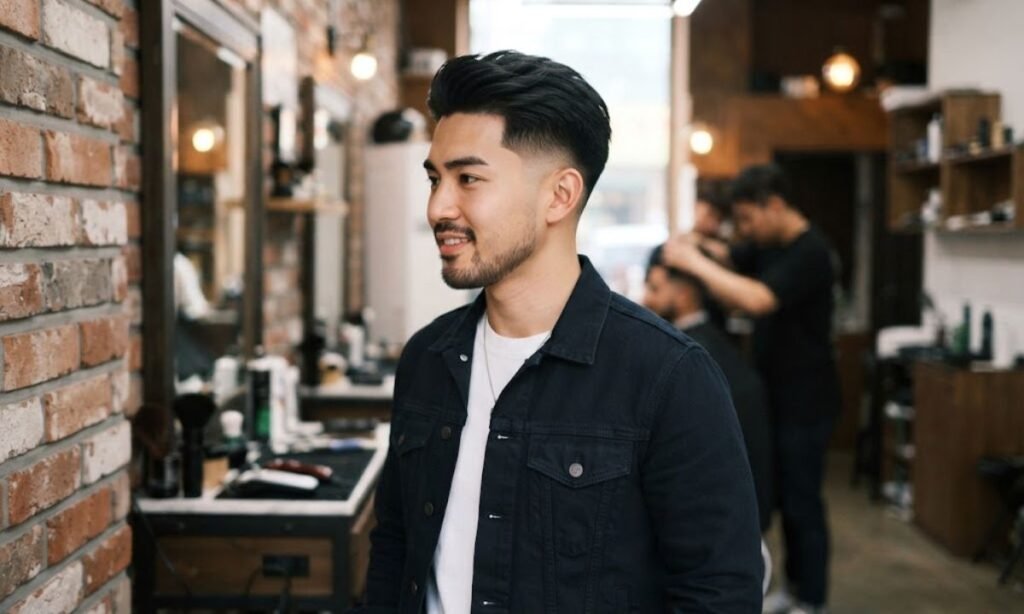
Taper fade for Asian hair usually means dealing with thick, straight strands that can feel a bit stubborn during the fade process.
Because the hair is often coarse, barbers sometimes need extra passes with clippers to get a truly seamless blend.
A French crop paired with a taper fade on the sides is hugely popular in this category. It keeps texture up top while still fading cleanly underneath.
Textured fringe styles also pair naturally with this hair type, since the density helps the fringe hold its shape through the day.
Taper Fade for Wavy Hair
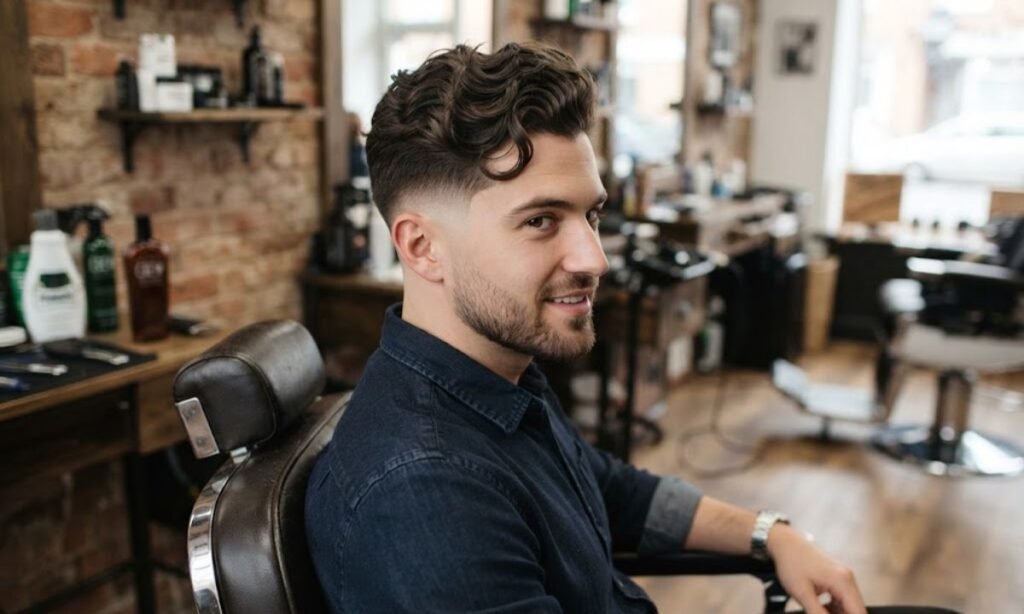
Taper fade for wavy hair sits somewhere between curly and straight, and honestly, it’s one of the most flexible textures for fades.
Waves add just enough texture to make a mid taper fade look effortless without extra styling work.
A sea salt spray brings out natural wave pattern, giving that laid back, beachy look without any heat tools involved.
Taper Fade for Thick and Coily Hair
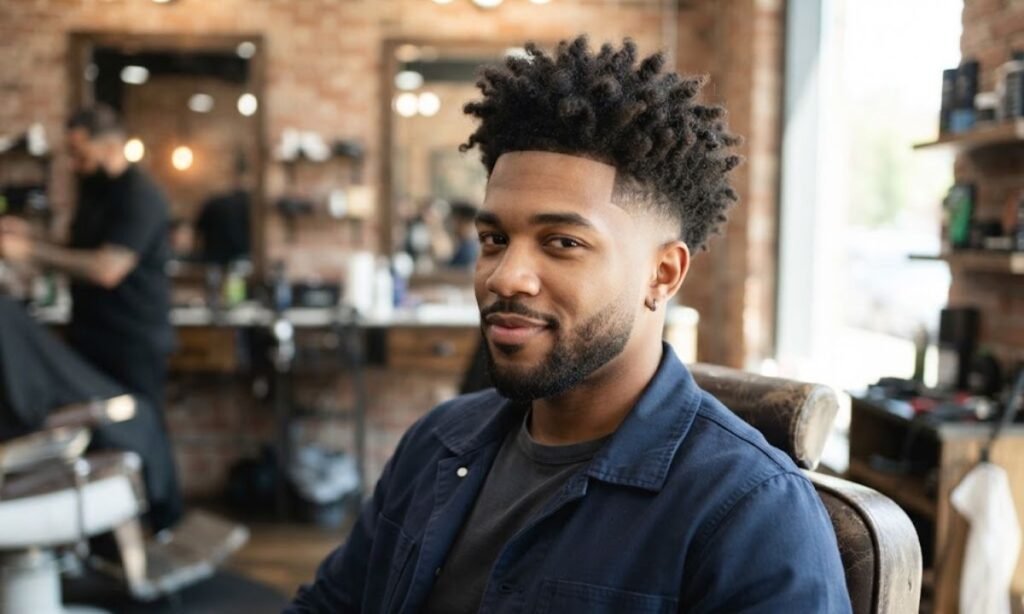
Taper fade for thick hair and taper fade for coily hair both need patience during the cut. Density means more layers for the barber to blend through.
The payoff is worth it though. Thick and coily textures hold shape incredibly well once styled, often lasting through humidity that would wreck finer hair types.
A shadow taper tends to work best here, giving structure without shaving everything down to skin.
Taper Fade for Different Face Shapes
Your face shape genuinely changes which fade height and style will look best on you.
Getting this wrong is probably the most common reason guys leave the barbershop disappointed.
Here’s how to match your face to the right cut.
Low Taper Fade for Round Face
A low taper fade for round face shapes adds subtle height without carving in too aggressively at the sides.
Rounder faces benefit from more length up top, which visually elongates the face instead of emphasizing its width.
Mid Taper Fade for Oval Face
An oval face is genuinely the easiest shape to style. A mid taper fade for oval face works because oval faces don’t need correction, just clean framing.
Almost any style choice pairs well here, from a slick back to a textured crop.
High Taper Fade for Square Face
A high taper fade for square face shapes plays into a strong jawline instead of softening it.
The sharp sides highlight bone structure, giving an intentional, chiseled look that square faces carry really well.
Taper Fade for Angular Face
An angular face with defined cheekbones and jaw pairs nicely with almost any fade, but a drop fade softens sharp angles just slightly if that’s the goal.
How to Ask Your Barber for the Perfect Taper Fade
Communication makes or breaks this haircut, full stop.
Barber communication works best with specifics, not vague requests like “just fade it a bit.”
Here’s what to actually say:
- Name your fade height (low, mid, or high)
- Mention your fade start point clearly
- Ask for either a razor finish or clipper guard blend
- Bring a reference photo if you have one
- Mention your face shape if you want their opinion
Good barber communication takes thirty seconds and saves you from a haircut you’ll hate for weeks.
Taper Fade Guard Numbers Explained
Taper fade guard numbers run from a 0, which is skin, up to about a 7 or 8 for longer lengths.
Lower numbers mean shorter hair. A guard 1 leaves a light shadow, while a guard 4 or 5 leaves noticeably more length.
Barbers blend between two or three guard numbers to create that seamless gradual blend rather than jumping straight from long to short.
Taper Fade Maintenance and At Home Upkeep
Taper fade maintenance depends heavily on your fade height and how fast your hair grows.
Low fades stretch longest between cuts. High fades and skin fades need the most frequent touch-ups since new growth shows almost immediately near the hairline.
How to maintain taper fade at home between barber visits:
- Use clippers with a matching guard for light touch-ups near the neckline
- Keep sideburns even using a small trimmer
- Moisturize the scalp if you’re rocking a bald fade to avoid dryness
- Avoid over washing, which can dull hair volume and texture
How often to get a taper fade really comes down to height. Low fades every four to six weeks, mid fades every three to four, high fades every two to three.
Taper Fade Styling: Products and Techniques
Taper fade styling depends entirely on what you’re doing with the top.
Matte clay and matte paste give texture without shine, perfect for messy, natural looking finishes.
Pomade works better for slicked styles like a slick back or pompadour, giving hold with a glossy finish.
Sea salt spray is your go to for wavy or beachy textures, adding grit without weighing hair down.
Curly and coily textures do best with a curl-defining cream or leave-in conditioner to keep definition without frizz.
Taper Fade Combos: Pairing With Other Styles
The fade is really just the foundation. What you do on top is where personality comes in.
Taper Fade with Side Part
A taper fade with side part is timeless, professional, and works for basically every face shape and hair texture.
Taper Fade with Slick Back
A taper fade with slick back brings serious polish, especially paired with a skin fade underneath for maximum contrast.
Taper Fade with Pompadour
A taper fade with pompadour adds height and volume up top, a bold combo that pairs beautifully with a high taper fade.
Taper Fade with French Crop
A taper fade with French crop keeps things short and textured on top, low maintenance but still sharp.
Taper Fade with Textured Fringe
A taper fade with textured fringe brings a softer, more casual vibe, great for thick or coily textures.
Taper Fade with Hard Part
A taper fade with hard part adds a line work detail, a shaved line separating the fade from the top section for extra sharpness.
Taper Fade with Hair Design
A taper fade with hair design takes things further with custom line work, patterns, or designs shaved directly into the fade zone.
Mohawk, Faux Hawk, and Mullet Pairings
A mohawk, faux hawk, or mullet all rely on a strong taper fade underneath to keep the sides sharp while length stays dramatic elsewhere.
Best Taper Fade Styles for Beginners
If you’re getting your first fade ever, ease in gently.
Best taper fade for beginners picks usually include:
- Low taper fade with a side part
- Mid taper fade with a simple textured top
- Shadow taper for a softer introduction to fades
These options are forgiving, low pressure, and easy to grow out if you decide fades aren’t your thing.
Professional Taper Fade Haircut Etiquette
A professional taper fade haircut usually means keeping things on the conservative side, think low to mid height with clean, simple styling on top.
Skip aggressive hair designs or overly bold line work if your workplace has a strict dress code.
Low maintenance taper fade options like a low fade with a side part work well here since they don’t demand constant touch-ups to look sharp.
Taper Fade Haircut Trends for 2026
Taper fade haircut 2026 trends are leaning heavily toward texture over shine.
Matte finishes are winning over glossy pomades this year. Guys want that lived in, natural look rather than a slicked, overly polished finish.
Burst taper and drop fade techniques are also seeing a surge, especially among guys with curly or wavy textures wanting something beyond the standard straight fade line.
Common Taper Fade Mistakes to Avoid
Even a great haircut can go wrong with poor communication or bad upkeep. Watch out for these.
- Not specifying fade height clearly enough
- Skipping touch-ups until the blend completely grows out
- Using the wrong product for your hair texture
- Ignoring your face shape when picking fade height
- Assuming every barber cuts curly or coily hair the same way
Avoiding these keeps your fade looking sharp between every single visit.
You can also checkout this article as well Blowout Taper for Curly Hair: What to Ask Your Barber + How to Style It
Conclusion
There you have it, fourteen types of taper fade and everything that comes with picking the right one.
Whether you’re drawn to a subtle low taper fade or a bold skin fade taper, the real trick is matching the style to your hair texture, face shape, and how much upkeep you’re actually willing to commit to.
Talk to your barber, bring a photo, and don’t be afraid to ask questions before the clippers even turn on.
Your next great haircut starts with knowing exactly what to ask for, and now you do.
